

Guide to Istanbul’s Top 5 Byzantine Landmarks (Update for 2025)
February 24, 2025
Historic Churches: Discover Istanbul’s Christian Heritage in 2025
March 12, 2025Ottoman Landmarks: Top 5 Must-Visit Sites in Istanbul 2025
Summary of the content
ShowHide- The Legacy of the Ottoman Empire in Istanbul
- 1. Topkapi Palace: The Opulent Heart of the Ottoman Landmarks
- 2. Blue Mosque (Sultan Ahmed Mosque): A Masterpiece of Ottoman Architecture
- 3. Süleymaniye Mosque: A Pinnacle of Artistry in Ottoman Landmarks
- 4. Dolmabahçe Palace: The Modern Face of Ottoman Opulence
- 5. Grand Bazaar: The Beating Heart of Ottoman Commerce
- Conclusion
- FAQs
The Legacy of the Ottoman Empire in Istanbul
Istanbul, once the dazzling capital of the Ottoman Empire, is a city steeped in history and cultural splendor. Moreover, its streets and monuments reveal an imperial past filled with grandeur, artistry, and innovation. In fact, exploring these Ottoman landmarks is one of the best ways to experience the city’s layered history. Consequently, visitors encounter majestic palaces, magnificent mosques, and bustling bazaars that are celebrated Ottoman sites. In addition, these landmarks not only reflect the power of a bygone era but also continue to influence modern Istanbul. Therefore, to truly understand this historic city, you must visit its renowned Ottoman landmarks.
This comprehensive guide highlights the top five must-visit sites that exemplify Istanbul's Ottoman landmarks. Furthermore, for each landmark, you will find an extended overview, detailed key architectural features, and practical visitor tips—including ticket prices and historical details—to ensure an unforgettable journey.


1. Topkapi Palace: The Opulent Heart of the Ottoman Landmarks
A sprawling palace that once housed sultans and their courts, Topkapi Palace is the quintessential example of an Ottoman landmark.
Built-in: circa 1465 | Entrance Fee: Approximately 100 TL per person
Overview:
Topkapi Palace served as the royal residence and administrative center for nearly 400 years. In addition, it is a monumental symbol of opulence and sophisticated statecraft. Visitors can explore lavish courtyards, grand halls, and intricately decorated chambers that provide a vivid glimpse into the luxurious lifestyle of the sultans. Moreover, the palace houses a vast collection of artifacts and treasures—from exquisite jewels to sacred relics—that document the empire's power. Furthermore, its strategic position overlooking the Bosphorus Strait offered both defensive strength and breathtaking views, cementing its status as one of Istanbul’s premier Ottoman landmarks.
Key Architectural Features
- Lavish Courtyards & Halls: Expansive outdoor spaces and ornate indoor rooms showcase royal luxury.
- Imperial Treasures: A vast collection of jeweled artifacts, antique weaponry, and sacred relics.
- The Harem: A private section that offers unique insights into the lives of the sultan’s family.
- Breathtaking Views: Panoramic vistas over the Bosphorus add to the palace’s majestic appeal.
- Historic Artifacts: Intricate tile work and rare documents illustrate the empire's rich history.
- Royal Gardens: Beautifully landscaped gardens provide a serene retreat within the complex.
Visitor Tips
- Best Time to Visit: Arrive early in the morning or later in the afternoon to avoid peak crowds.
- Ticket Price: Approximately 100 TL per person.
- Duration: Allocate 2–3 hours to fully explore the palace and its grounds.
- Dress Code: Wear comfortable shoes and modest clothing.
- Guided Tours: Consider joining a guided tour to gain deeper insights into the empire’s legacy.
- Photography: Photography is permitted, but please respect designated no-photo areas.
- Additional Advice: Bring water and a hat for outdoor areas.
Ottoman landmarks like Topkapi Palace exemplify the empire's rich cultural heritage.


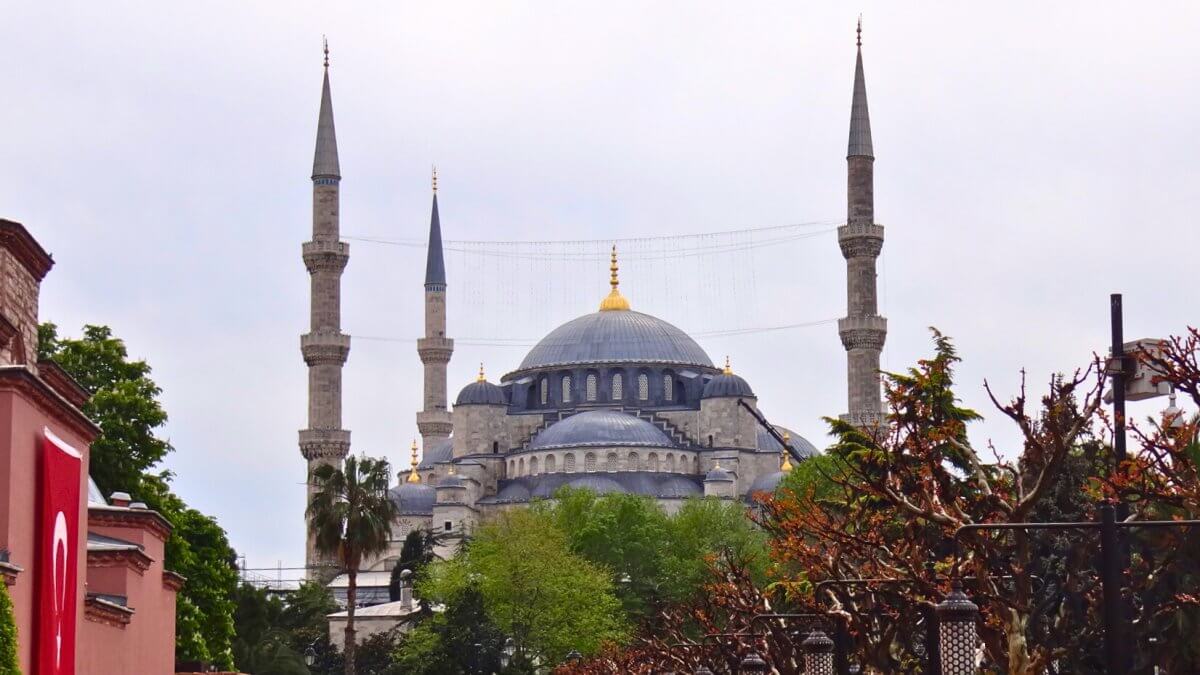
2. Blue Mosque (Sultan Ahmed Mosque): A Masterpiece of Ottoman Architecture
An architectural gem, the Blue Mosque is celebrated as one of the most striking Ottoman landmarks due to its iconic blue tiles and elegant design.
Built-in: 1609–1616 | Entrance Fee: Free (donations welcome)
Overview:
The Blue Mosque, also known as Sultan Ahmed Mosque, is a true Ottoman landmark. It was built to rival earlier great monuments and to embody the artistic aspirations of its time. Notably, the mosque is adorned with over 20,000 hand-painted Iznik tiles, which lend the building its name. The six towering minarets also contribute to its unique silhouette, making it one of the most recognizable Ottoman sites. Furthermore, as an active place of worship, it beautifully blends spiritual tradition with architectural magnificence. In this way, the Blue Mosque remains an essential part of Istanbul's Ottoman landmarks.
Key Architectural Features
- Striking Blue Tiles: Over 20,000 handcrafted tiles create an enchanting interior.
- Six Minarets: The distinctive silhouette of the six minarets sets this landmark apart.
- Expansive Courtyard: A large, serene courtyard offers space for reflection.
- Intricate Calligraphy: Beautiful inscriptions enhance the mosque’s aesthetic appeal.
- Elegant Domes: Multiple domes add to the overall grandeur.
- Harmonious Design: The balance of light, space, and color defines its beauty.
Visitor Tips
- Best Time to Visit: Early mornings provide a quiet, peaceful setting.
- Ticket Price: Free; however, donations are appreciated.
- Duration: Plan for 1–1.5 hours to explore the interior and the courtyard.
- Dress Code: Modest attire is required; women should cover their heads.
- Photography: Be respectful during prayer times and avoid using flash.
- Additional Advice: Try to visit during off-peak hours for a more immersive experience.
This is one of the most beloved Ottoman landmarks, showcasing timeless beauty.


3. Süleymaniye Mosque: A Pinnacle of Artistry in Ottoman Landmarks
Commissioned by Sultan Suleiman the Magnificent, Süleymaniye Mosque stands as a shining example of Ottoman landmarks, blending architectural elegance with spiritual depth.
Built-in: 1557 | Entrance Fee: Free
Overview:
Süleymaniye Mosque is renowned as one of the foremost Ottoman landmarks. Commissioned by Sultan Suleiman the Magnificent and designed by the celebrated architect Mimar Sinan, the mosque was completed in 1557. Moreover, it served as a place of worship and as a center for education and public welfare, featuring an adjoining complex that included a library, hospital, and baths. The mosque's graceful dome and slender minarets dominate the Istanbul skyline and create a sense of serenity. Additionally, its well-balanced interior—with extensive calligraphy and intricate decorative elements—provides an immersive experience of the Ottoman cultural legacy.
Key Architectural Features for Ottoman Landmarks
- Majestic Dome & Minarets: Soaring features that command the skyline.
- Elegant Interiors: Expansive prayer halls with finely detailed decorative elements.
- Multifunctional Complex: The adjacent library, hospital, and baths enrich the historical narrative.
- Panoramic Views: Elevated positions offer stunning views of the city.
- Intricate Calligraphy: Detailed inscriptions that enhance the interior design.
- Decorative Fountains: Beautifully designed fountains contribute to a tranquil atmosphere.
Visitor Tips
- Best Time to Visit: Late afternoon is ideal for enjoying soft, ambient light.
- Ticket Price: Free.
- Duration: Allocate 1–2 hours to fully appreciate the mosque and its complex.
- Guided Tours: Consider a guided tour to learn more about its history and architecture.
- Accessibility: The complex is moderately accessible; some walking and stairs are required.
- Photography: Avoid flash photography during prayer times.
- Additional Advice: Bring a light jacket if you plan to explore for a long period.
Süleymaniye Mosque remains a standout Ottoman landmark, admired for its beauty and cultural significance.


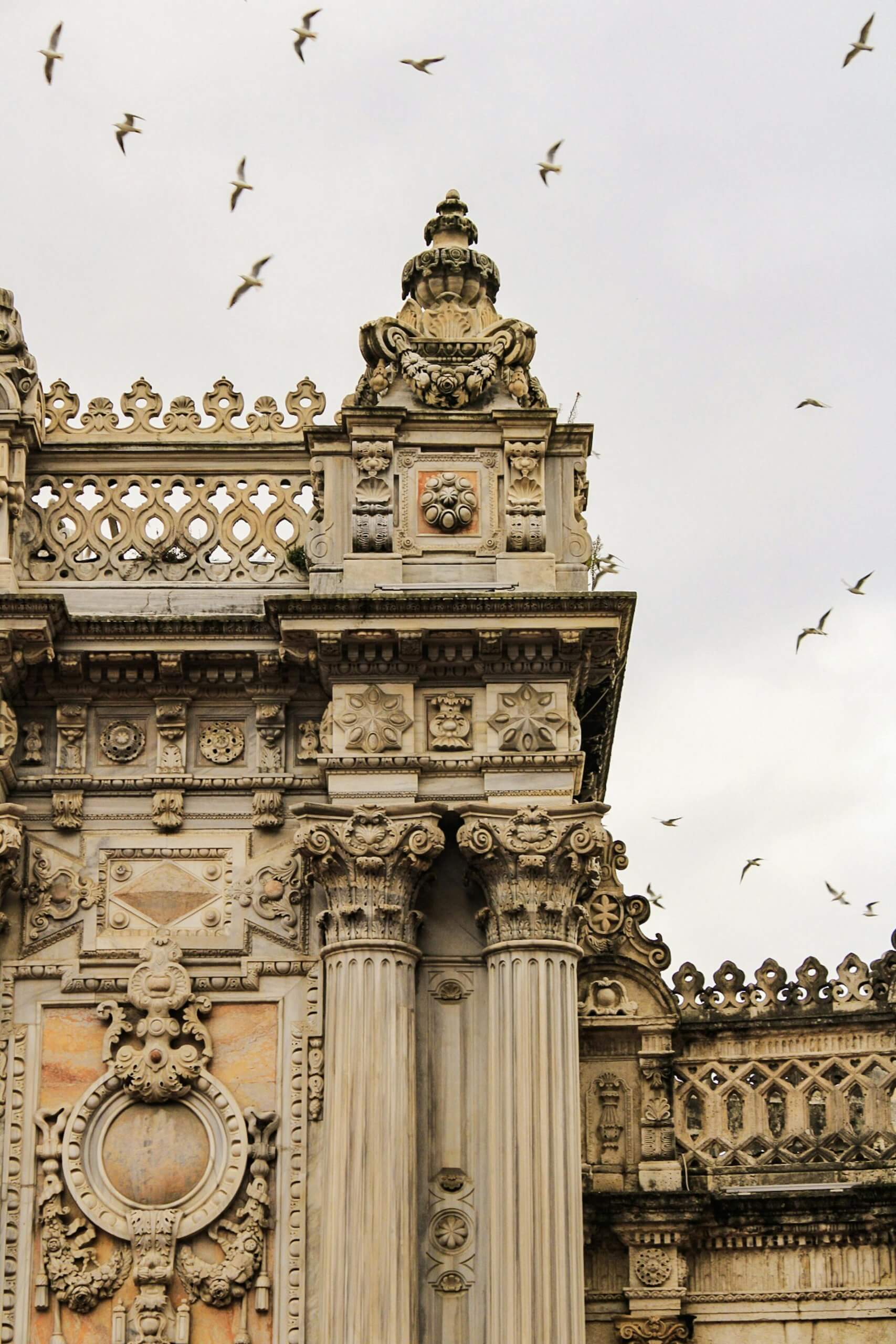

4. Dolmabahçe Palace: The Modern Face of Ottoman Opulence
A lavish palace that exemplifies the blend of traditional Ottoman style with European influences, Dolmabahçe Palace marks a key chapter in the evolution of Ottoman landmarks.
Built-in: mid-19th century | Entrance Fee: Approximately 200 TL per person
Overview:
Dolmabahçe Palace represents a turning point in the Ottoman Empire, where Western influences began to merge with traditional designs. Constructed in the mid-19th century, this palace was built to rival the grand European palaces and to symbolize the empire’s modernization. The palace boasts 285 rooms and 46 halls, all lavishly decorated with a mix of Baroque, Rococo, and Neoclassical styles. Furthermore, its extravagant interiors, including a grand staircase and a colossal 4.5-ton chandelier, offer a visual feast hallmark of modern Ottoman landmarks. In addition, the palace’s stunning waterfront location along the Bosphorus enhances its magnificence and historical allure.
Key Architectural Features
- Luxurious Interiors: Opulent rooms and halls are richly decorated in European-inspired styles.
- Grand Staircase & Chandelier: A magnificent staircase and an enormous 4.5-ton chandelier that are unforgettable features.
- Waterfront Views: Spectacular vistas of the Bosphorus that enhance the palace’s dramatic appeal.
- Rich Art Collections: Exhibits of fine art, antiques, and royal memorabilia that reflect the era’s splendor.
- Architectural Fusion: A unique blend of traditional Ottoman and European design elements.
- Ornate Detailing: Intricate moldings and decorative elements that add to the palace's opulence.
Visitor Tips
- Best Time to Visit: Early mornings are recommended to avoid the crowds.
- Ticket Price: Approximately 200 TL per person.
- Duration: Plan for a 2–3 hours tour to explore both the palace and its gardens.
- Guided Tours: A guided tour is highly recommended to gain insight into the historical context.
- Photography: Photography is generally allowed; check for any restrictions.
- Accessibility: The palace is large; wear comfortable footwear for extended walking.
- Additional Advice: Consider a stop at the adjacent Bosphorus promenade for an enhanced experience.
Dolmabahçe Palace stands as a magnificent Ottoman landmark that illustrates the empire’s evolution.


5. Grand Bazaar: The Beating Heart of Ottoman Commerce
One of the world’s oldest and largest covered markets, the Grand Bazaar is a vibrant testament to the enduring legacy of Ottoman commerce and culture.
Built-in: 1461 | Entrance Fee: Free
Overview:
The Grand Bazaar is much more than a marketplace; it is a living, breathing part of Istanbul’s heritage. Established in 1461, this expansive covered market has thrived for centuries as a hub of trade and cultural exchange. Its labyrinthine alleys are home to over 4,000 shops offering everything from intricate jewelry and handwoven textiles to fascinating spices and antiques. Moreover, the bazaar's vibrant atmosphere and historic architecture create an immersive experience that connects visitors directly with the pulse of Ottoman commerce. In this way, the Grand Bazaar is celebrated as one of the most dynamic Ottoman landmarks, where the past and present seamlessly coexist.
Key Architectural Features
- Vast Network of Shops: Over 4,000 stores spread across 61 streets, offering diverse goods.
- Historic Architecture: The maze-like layout and centuries-old buildings create an authentic setting.
- Cultural Melting Pot: A bustling hub where locals and tourists mingle, reflecting rich traditions.
- Artisan Crafts: Numerous shops showcase handmade products that preserve traditional craftsmanship.
- Lively Atmosphere: The energetic vibe and vibrant displays capture the essence of Ottoman commerce.
- Intricate Details: Decorative elements and historic signage add to the bazaar’s charm.
Visitor Tips
- Best Time to Visit: Mornings are ideal for a less crowded, more relaxed experience.
- Ticket Price: Free entrance.
- Duration: Allocate 1–2 hours to fully explore the market's alleys.
- Bargaining: Embrace the art of haggling to secure unique souvenirs.
- Photography: Always ask permission before photographing individuals or specific displays.
- Comfort: Wear comfortable shoes and be ready for a maze-like adventure.
- Additional Advice: Bring a reusable bag for your purchases and consider stopping for tea at a local stall.
The Grand Bazaar is a vibrant Ottoman landmark that continues to reflect the dynamic spirit of Istanbul’s commercial history.
Conclusion
Istanbul’s Ottoman landmarks are more than mere remnants of the past; they are living testaments to an empire that once shaped the world. From the regal opulence of Topkapi Palace to the bustling charm of the Grand Bazaar, each site tells its own unique story of power, artistry, and cultural evolution. By visiting these historical attractions, you can immerse yourself in the rich legacy of the Ottoman Empire and witness the timeless beauty that continues to influence modern Istanbul.
So, plan your journey, follow the visitor tips, and dive into the world of Ottoman landmarks. Whether you are a dedicated history enthusiast or a curious traveler, these sites promise an enriching experience that connects the past with the present.
FAQs

4 Comments
This places looks absolutely stunning..
Hope to visit someday.
Thank you for your attention, wish you to visit there very soon!
This made me feel like I’m there
Thanks for this amazing guide..
You’re welcome, happy that it was useful!