

Ottoman Landmarks: Top 5 Must-Visit Sites in Istanbul 2025
March 6, 2025Guide to Istanbul’s Top 5 Byzantine Landmarks (Update for 2025)
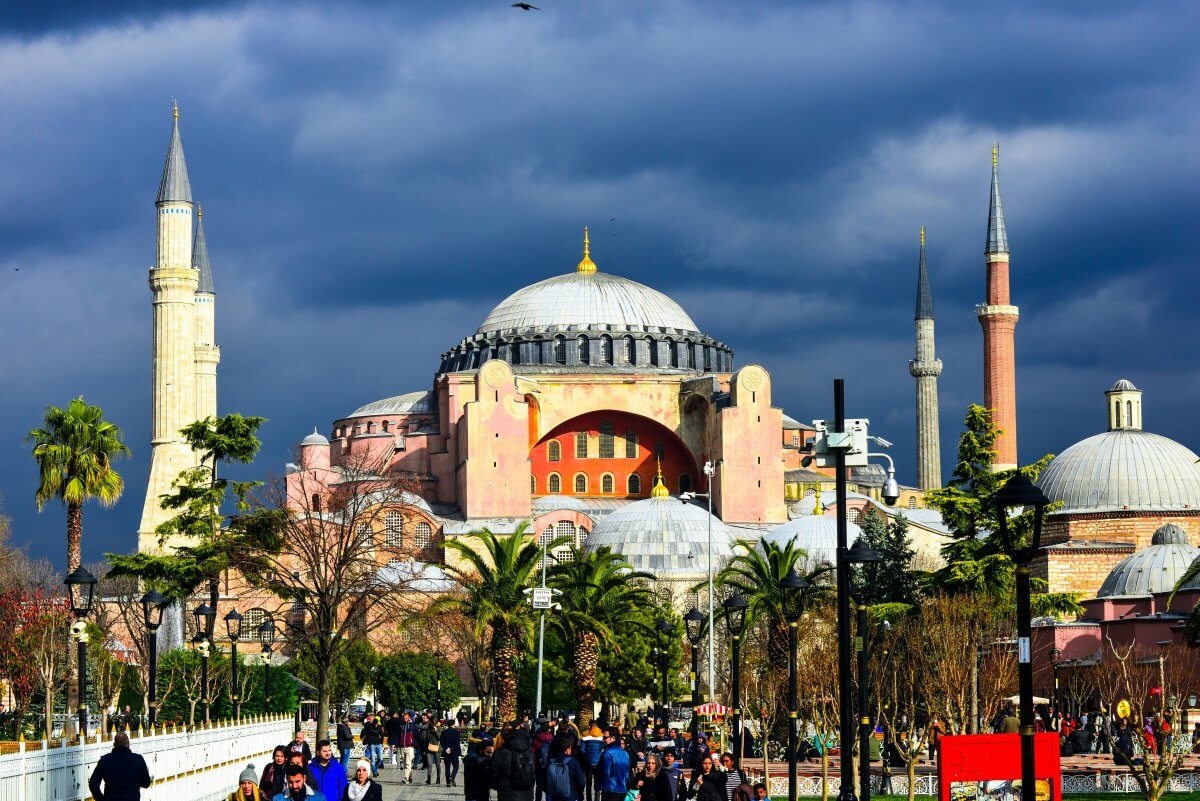
Table of contents
ShowHide- The Legacy of Byzantium in Modern Istanbul
- 1. Hagia Sophia: The Crown Jewel of Byzantine Architecture
- 2. Chora Church: A Hidden Gem of Byzantine Artistry
- 3. Basilica Cistern: An Underground Marvel
- 4. Theodosian Walls: The Impenetrable Fortress of Constantinople
- 5. Hippodrome of Constantinople: The Social and Sporting Hub
- Conclusion
- FAQs
The Legacy of Byzantium in Modern Istanbul
Istanbul, formerly known as Constantinople, was the heart of the Byzantine Empire for over a millennium. Today, the city overflows with history, art, and cultural splendor. Its streets and monuments tell stories that span centuries. In particular, exploring the city’s remarkable Byzantine landmarks offers one of the best ways to experience this layered past. You will discover stunning examples of Byzantine sites that reveal the rich legacy of ancient empires. Moreover, these landmarks not only stand as architectural wonders but also offer insight into the artistic and spiritual traditions of a bygone era. Therefore, if you want to truly understand the essence of Istanbul, you must visit its celebrated Byzantine landmarks.
This guide walks you through five must-see Byzantine landmarks. In doing so, it provides historical context, detailed architectural highlights, and practical visitor tips. You will learn how each site reflects the ingenuity and creativity of its time while offering modern visitors a chance to connect with history. In addition, this guide offers advice on the best times to visit and other essential details that ensure an enjoyable experience.


1. Hagia Sophia: The Crown Jewel of Byzantine Architecture
Built in: 537 AD | Entrance Fee: Free (mosque)
Hagia Sophia stands out as one of Istanbul’s most iconic Byzantine landmarks. Initially built as a Christian cathedral by Emperor Justinian I, the structure later served as a mosque, then a museum, and has once again been converted to a mosque. Its dynamic history mirrors the changes in the region over time. As a result, Hagia Sophia remains not only a magnificent architectural achievement but also a living museum of the past. Its vast dome, intricate mosaics, and impressive marble work provide clear evidence of a time when art and faith were closely intertwined. In short, Hagia Sophia is a prime example of a Byzantine site that continues to captivate both scholars and travelers alike.
Key Architectural Features
- Massive Central Dome: The dome appears to float due to its innovative pendentive design. This engineering wonder has made Hagia Sophia one of the most admired Byzantine landmarks.
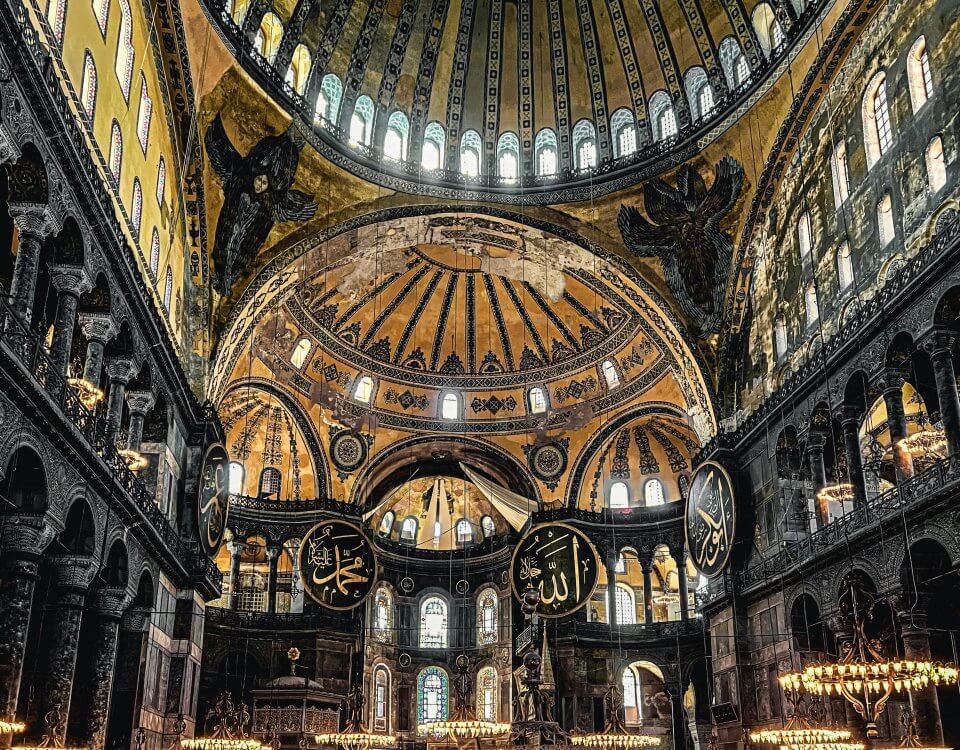
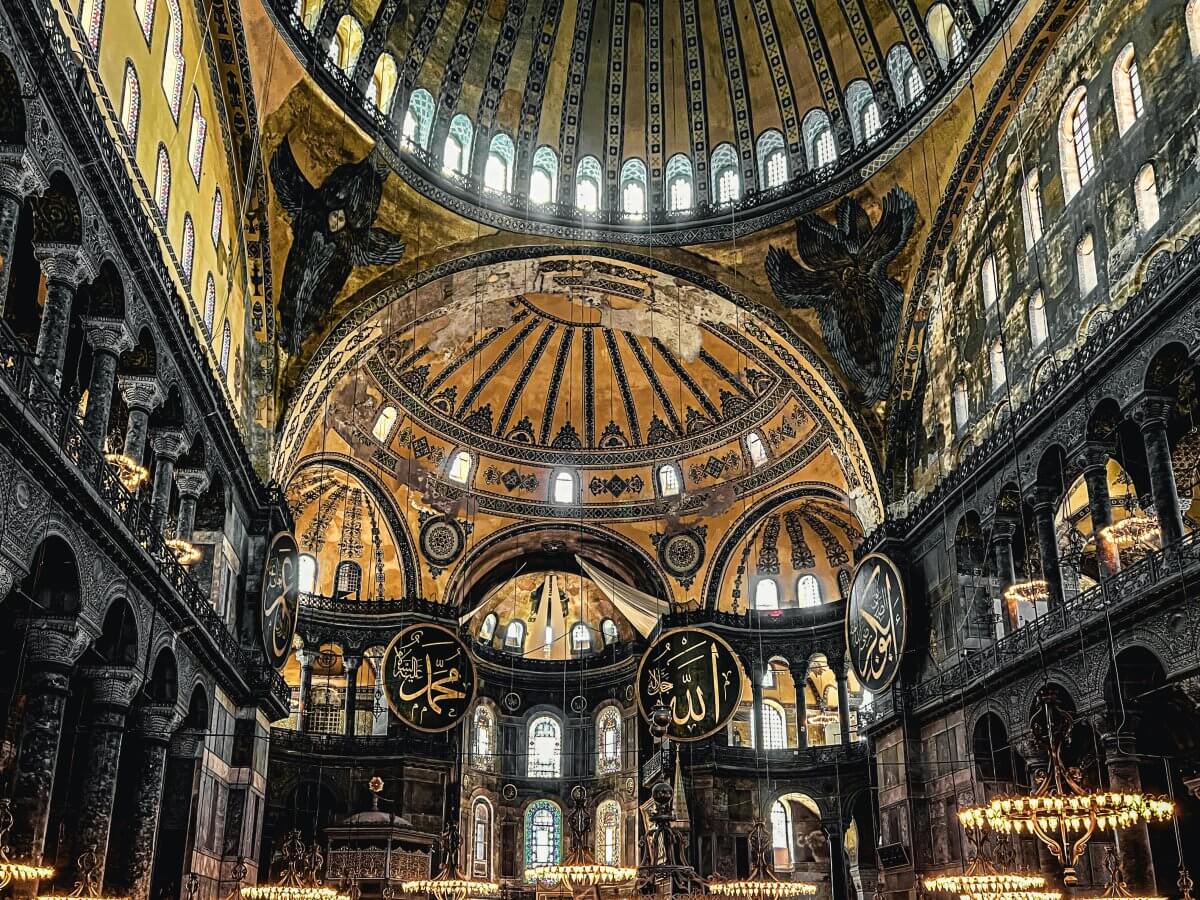
- Ancient Mosaics: Brilliant mosaics, including the famed Deisis Mosaic depicting Christ, the Virgin Mary, and John the Baptist, decorate the interior. These artworks are a testament to the artistry that defines this Byzantine site.
- Imperial Gate: Once reserved exclusively for emperors, the gate reinforces the building’s regal history.
- Marble Pillars: Elegant columns, repurposed from ancient temples, support the structure. They serve as timeless reminders of the artistic skill of earlier eras.
- Islamic Calligraphy: The calligraphy panels blend harmoniously with the mosaics, celebrating a layered history and reflecting the site’s ongoing significance.
Visitor Tips
- Best Time to Visit: Arrive early in the morning or later in the afternoon. This strategy helps you avoid crowds and enjoy a more tranquil experience.
- Queue Times: Be prepared for a wait of 30–60 minutes during peak tourist seasons. Planning ahead is key.
- Dress Code: Women should cover their heads, but don’t worry—scarves are provided free of charge.
- Photography: You can take photos, but avoid using flash. This protects the delicate artwork and preserves the ambience of the space.
- Duration: Spend 1–2 hours exploring the site to fully appreciate its history and beauty.
- Additional Advice: Consider joining a guided tour. Guides often share fascinating anecdotes and little-known facts that enrich your understanding of this landmark.


2. Chora Church: A Hidden Gem of Byzantine Artistry
Built in: 4th century (expanded in the 11th & 14th centuries) | Entrance Fee: 100 TL
Chora Church, also known as Kariye Mosque, is a lesser-known Byzantine landmark that offers visitors an intimate glimpse into Byzantine artistry. Initially constructed as a monastery church, it underwent several restorations over the centuries, which have helped preserve its stunning mosaics and frescoes. Today, Chora Church stands as a true Byzantine site that captures the delicate balance between art and spirituality. Its intricate artwork not only embellishes the walls and ceilings but also tells stories of faith, devotion, and transformation. As a result, this site is cherished by art enthusiasts and historians alike.
Key Architectural Features
- Anastasis Fresco: This striking image of Christ’s descent into Hell is one of the most memorable artistic achievements found here.
- Virgin Mary Cycle: The detailed mosaics depicting key moments from the Virgin Mary’s life are both beautiful and deeply moving.
- Dome Frescoes: Elaborate paintings adorn the dome, adding a dynamic element to the interior.
- Inner Narthex: A quiet, intimate space where some of the best-preserved mosaics are displayed.
- Outer Narthex: Additional scenes from the life of Christ decorate this area, rounding out the overall artistic experience.
Visitor Tips
- Best Time to Visit: The late morning (around 10-11 AM) offers optimal natural lighting, which brings out the vibrancy of the mosaics.
- Queue Times: Expect a short wait—typically between 5 to 15 minutes—allowing you to enter without much delay.
- Ticket Price: Admission is 100 TL per person.
- Photography: Photography is allowed without flash. If you plan to use a tripod, request permission in advance.
- Accessibility: Note that the site has several steps and uneven surfaces. Therefore, wear comfortable shoes and take care.
- Duration: Allocate about 45–60 minutes to fully experience the artistry and atmosphere of this unique site.
- Additional Advice: Combining your visit with nearby attractions can enhance your overall experience of the area.



3. Basilica Cistern: An Underground Marvel
Built in: 532 AD | Entrance Fee: 50 TL
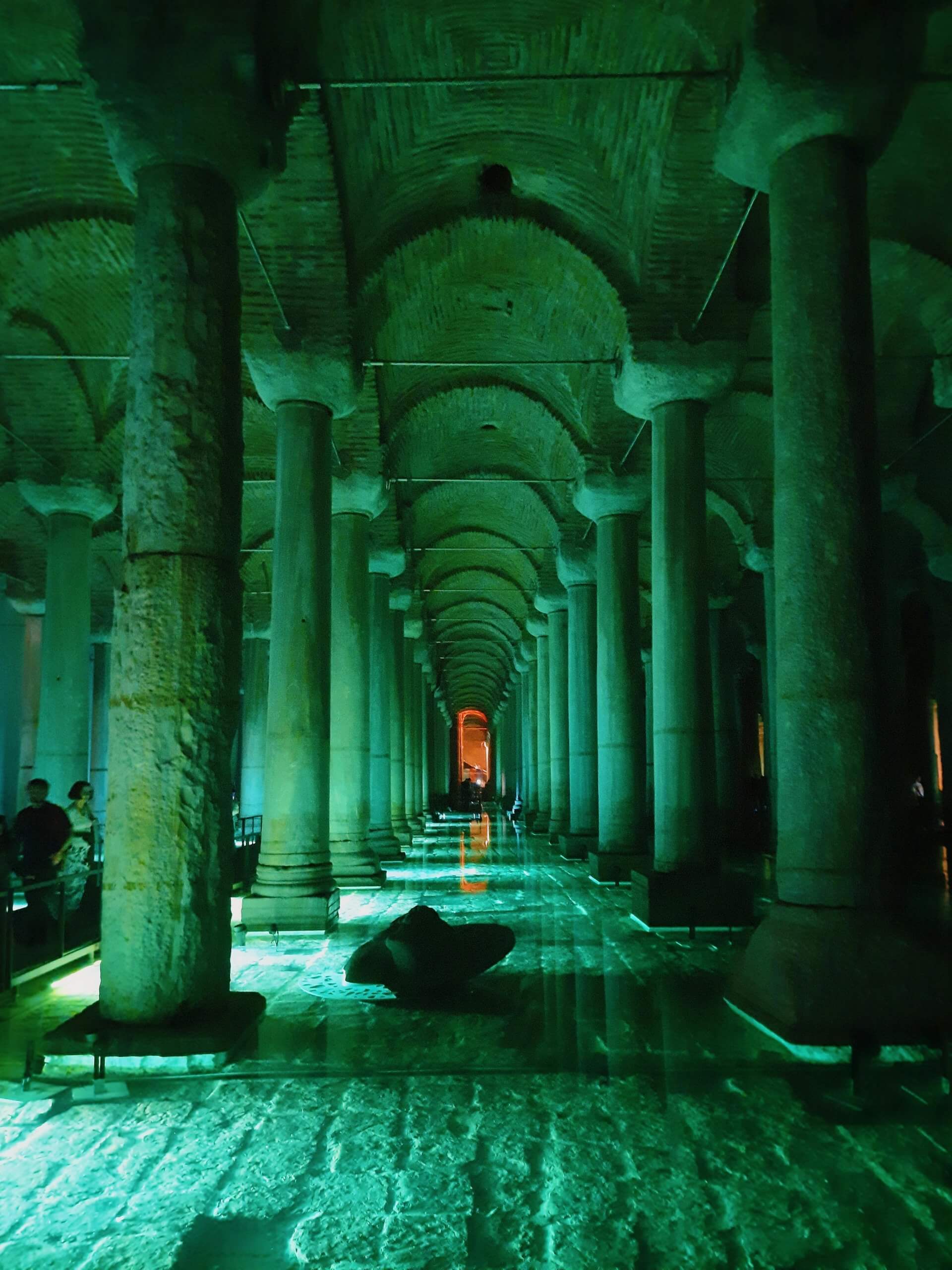
The Basilica Cistern is a fascinating Byzantine landmark that showcases the ingenuity of ancient engineering. Built by Emperor Justinian I, it was originally designed to store water for the city. Today, it stands as one of Istanbul’s most atmospheric historic sites. With its labyrinth of 336 columns—many of which were repurposed from older structures—the cistern creates an otherworldly space where history and mystery converge. The interplay of light and shadow within the cistern transforms it into a captivating space that draws visitors into its cool, quiet depths.
Key Architectural Features
- Medusa Head Columns: Two columns feature Medusa heads placed upside-down and sideways. These unique elements serve as iconic markers of the site.
- Column of Tears: This pillar, adorned with eye-shaped carvings, adds an emotional layer to the experience.
- Illuminated Walkways: Soft lighting enhances the reflective surfaces of the still water, creating a magical atmosphere.
- Ancient Fish: A few resident fish move slowly in the water, adding life to this underground realm.
- Upcycled Columns: The reuse of columns from older temples underscores the resourcefulness of Byzantine architects.
Visitor Tips
- Best Time to Visit: Midday, between 12 and 2 PM, offers the best lighting conditions.
- Queue Times: Expect a wait of about 20–30 minutes during peak times.
- Ticket Price: The entrance fee is 50 TL per person.
- Photography: You are free to take photos, but if you wish to use a tripod, please ask for permission.
- Accessibility: The floors can be slippery; therefore, wear non-slip shoes and proceed with caution.
- Duration: Plan for a 30–45 minute visit to fully immerse yourself in the ambiance.
- Additional Advice: Bring a light jacket, as the temperature inside the cistern is noticeably cooler than outside.


4. Theodosian Walls: The Impenetrable Fortress of Constantinople
Built in: 5th century | Entrance Fee: Free
The Theodosian Walls are a formidable Byzantine landmark that once safeguarded Constantinople. Constructed under Emperor Theodosius II, these walls repelled numerous sieges, which makes them one of the most significant historic sites in Istanbul. Stretching over 6 kilometers, they stand as true ancient monuments that bear witness to the city’s turbulent past. The walls also offer a glimpse into the military engineering of the time, as well as the cultural heritage that has shaped modern Istanbul.
Key Architectural Features
- Golden Gate: This ceremonial entrance, once used exclusively by victorious emperors, remains a highlight of the walls.
- Triple Defense System: Featuring a moat, an outer wall, and an inner wall, this design is a prime example of Byzantine military ingenuity.
- Restored Watchtowers: These towers provide panoramic views and are a favorite among visitors.
- Battle Damage: Visible scars on the walls serve as authentic reminders of past conflicts.
- Ancient Inscriptions: Greek and Latin texts carved into the walls add depth to the historical narrative.
Visitor Tips
- Best Time to Visit: Early morning or late afternoon is ideal, as the soft light is perfect for capturing photos.
- Queue Times: With free entry, you will generally not encounter any queues.
- Ticket Price: Admission is free.
- Photography: Feel free to take photos of the intricate details and sweeping views.
- Accessibility: Some sections have uneven surfaces and steep steps; hence, caution is advised.
- Duration: Plan to spend 2–3 hours exploring the walls to fully appreciate their scope.
- Additional Advice: Consider a guided tour to gain deeper insights into the history and cultural significance of this impressive site.


5. Hippodrome of Constantinople: The Social and Sporting Hub
Built in: 3rd century | Entrance Fee: Free
The Hippodrome of Constantinople is one of the vibrant Byzantine landmarks that once hosted chariot races and grand public ceremonies. Today, it remains one of Istanbul’s top historic sites, offering visitors a glimpse into the lively social life of ancient times. The open arena, with its remaining columns and obelisks, stands as a true ancient monument. Additionally, this site is a popular Istanbul attraction that continues to reflect the city’s rich cultural heritage.
Key Architectural Features
- Serpent Column: An ancient bronze column from the Temple of Apollo, this feature is celebrated for its historical value.
- Obelisk of Theodosius: This towering obelisk, brought from Egypt, serves as an iconic marker of the site’s past.
- Walled Obelisk: Once adorned with gilded plaques, it now stands as a prominent reminder of the glory of ancient times.
- Public Layout: The expansive design emphasizes open public space, making the arena an inviting place for visitors.
- Ancient Markers: Remnants and markers throughout the area help piece together the history of ancient public events.
Visitor Tips
- Best Time to Visit: Arrive early in the morning to enjoy cooler temperatures and a quieter environment.
- Queue Times: With free entry, you will typically face no delays.
- Ticket Price: Admission is free.
- Photography: You are encouraged to take photos, both wide shots and close-ups of intricate details.
- Accessibility: The flat terrain ensures the site is easy to navigate.
- Duration:Plan for a 30–60 minute visit to fully absorb the atmosphere and history.
- Additional Advice: Joining a guided tour can further enrich your understanding of the social and sporting traditions of this area.
Conclusion
Istanbul is a city where history comes alive. Its Byzantine landmarks offer visitors a unique journey through time, blending art, architecture, and culture seamlessly. Whether you are marveling at the vast dome of Hagia Sophia, admiring the exquisite mosaics at Chora Church, exploring the mysterious Basilica Cistern, walking along the ancient Theodosian Walls, or experiencing the lively ambiance of the Hippodrome, you will find that each site holds its own special story.
In addition, these sites not only preserve stunning ancient monuments but also embody a rich cultural heritage that continues to influence the modern city. Therefore, make sure to include these remarkable Byzantine sites in your travel itinerary when visiting Istanbul. With careful planning and by following these visitor tips, you can experience firsthand why these landmarks are so revered and why they remain central to the identity of Istanbul.
FAQs

3 Comments
It was really great and comprehensive, and It gave me useful information about the city of Istanbul and its spectacular places and made me eager to visit them as soon as possible.
Thank you for your attention!
amazing