Best 5 Cheap Hotels in Istanbul European Side 2025
March 27, 2025Istanbul History: Roman, Byzantine, and Ottoman Eras
Istanbul’s story is one of the unique ones in transformation, resilience, and creative spirit. As we explore the Istanbul history, we trace a journey from a small Greek settlement to a vibrant modern city that links continents and cultures across the globe. This brief narrative not only highlights the remarkable achievements of the Roman, Byzantine, and Ottoman empires but also paints an engaging picture of how each period has helped shape what many call history of Istanbul.
Istanbul’s story is truly one of a kind in terms of transformation, resilience, and creative spirit. First, as we explore the Istanbul history, we trace a journey that begins with a small Greek settlement and evolves into a vibrant modern city linking continents and cultures across the globe. Moreover, this brief narrative not only highlights the remarkable achievements of the Roman, Byzantine, and Ottoman empires but also paints an engaging picture of how each period has helped shape what many call history of Istanbul.
I. The Dawn of a City: Pre-History and the Founding of Byzantium
A. Pre-667 B.C.: The Earliest Settlements
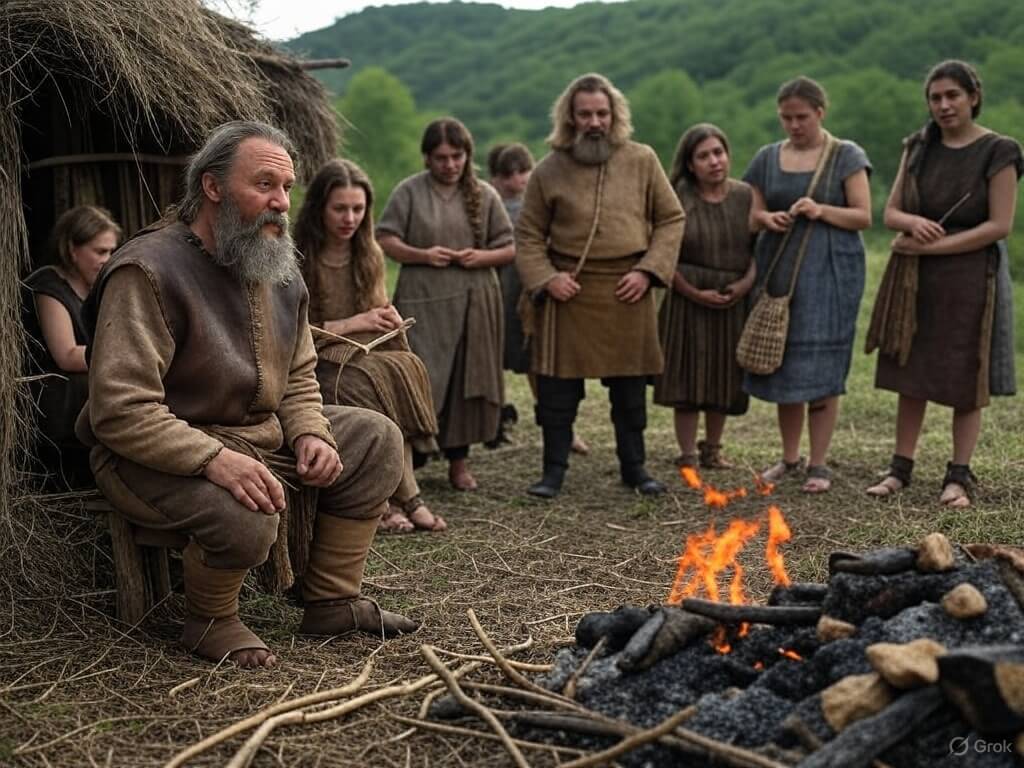
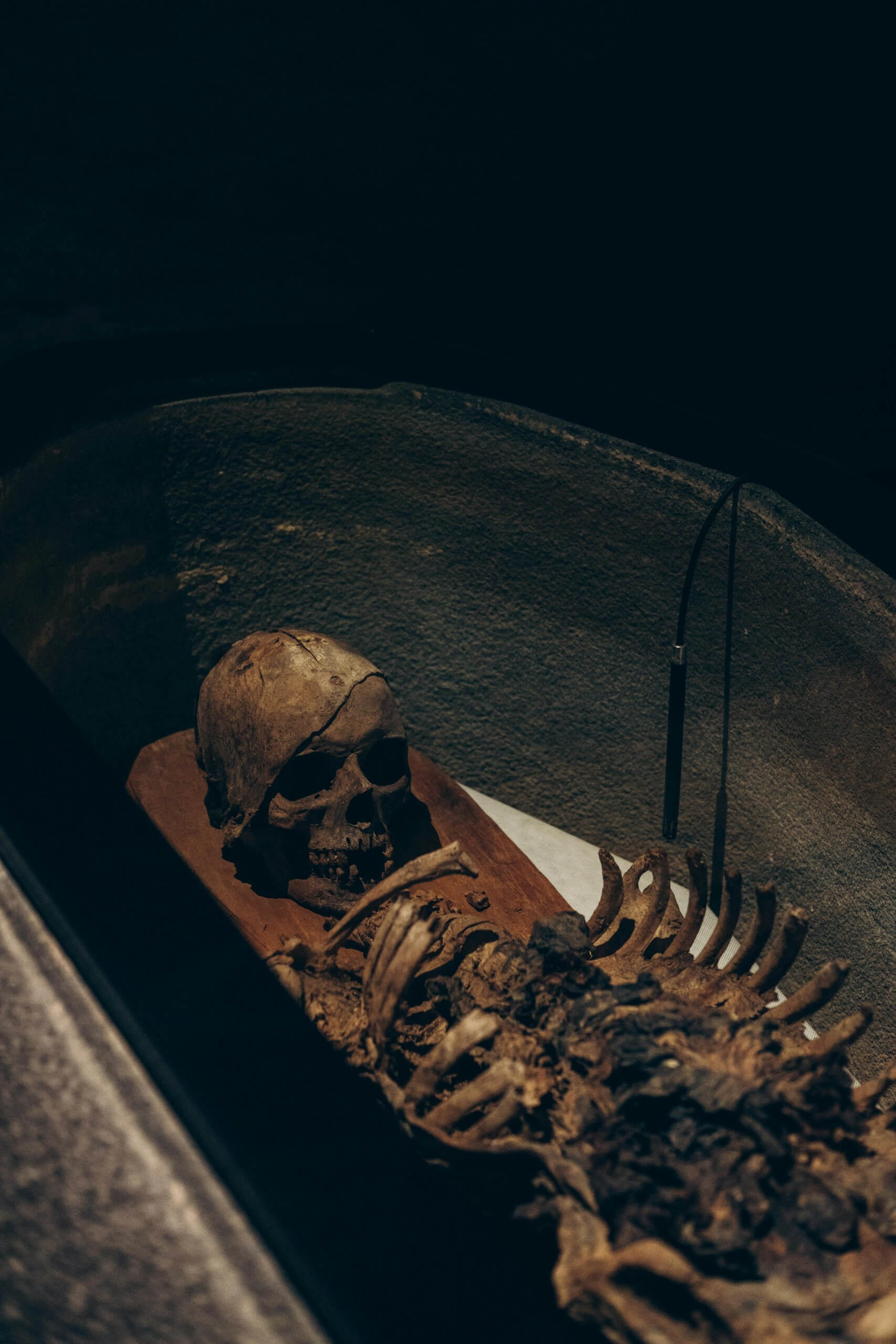
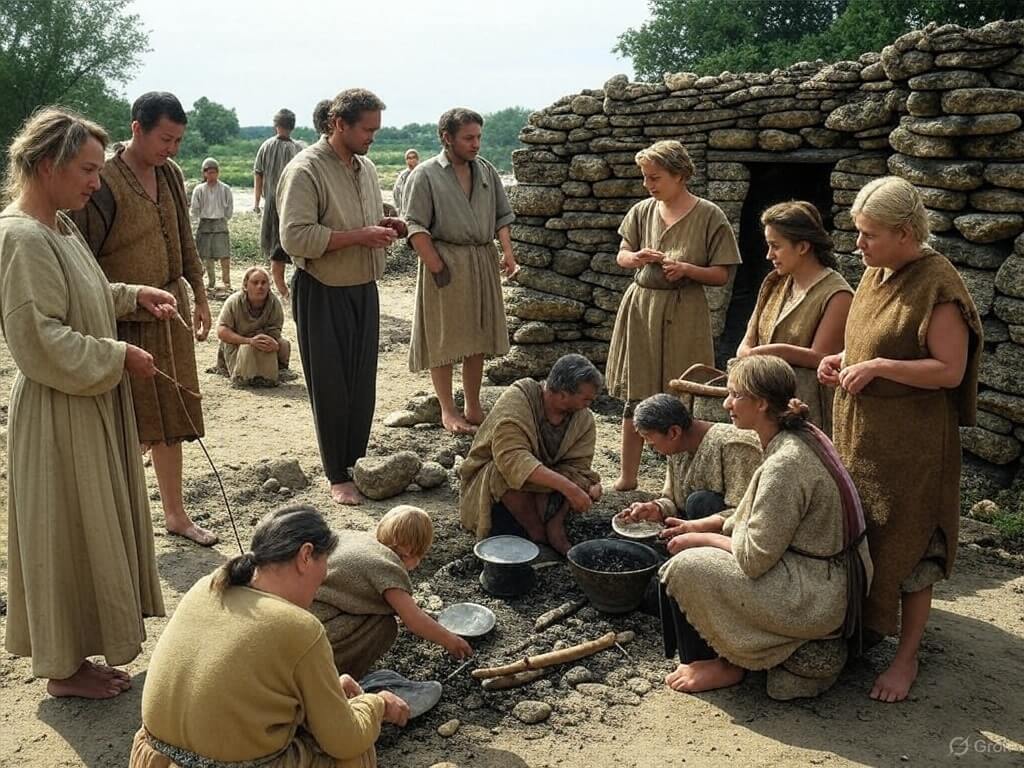
Neolithic artifacts uncovered by archaeologists at the beginning of the 21st century show that the historic peninsula of Istanbul was first settled as far back as the 6th millennium B.C.E. (Before Common Era / Before the birth of Christ). In fact, these early groups of people helped spread the Neolithic Revolution from the Near East to Europe. Consequently, their settlements lasted for almost a thousand years until rising water levels gradually reshaped the land.
Furthermore, on the Asian side, the Fikirtepe mound has provided researchers with artifacts dating from the Copper Age (around 5500 to 3500 B.C.E.). These relics clearly prove that humans lived continuously in this area well before the commonly known historical eras. Meanwhile, on the European side, near what is now Sarayburnu, evidence of an early Thracian settlement exists. Moreover, ancient writers mention a place called Lygos, and modern scholars connect this name to the Thracian settlement that once stood at the core of history of Istanbul.
In addition, these early settlements laid the foundation for future urban development. The region’s natural harbors and strategic position on important trade routes attracted diverse communities over time. Ultimately, long before the Greeks arrived, the land that would later host the Istanbul history already buzzed with human activity, thereby setting the stage for what was to come.
B. The Birth of Byzantium
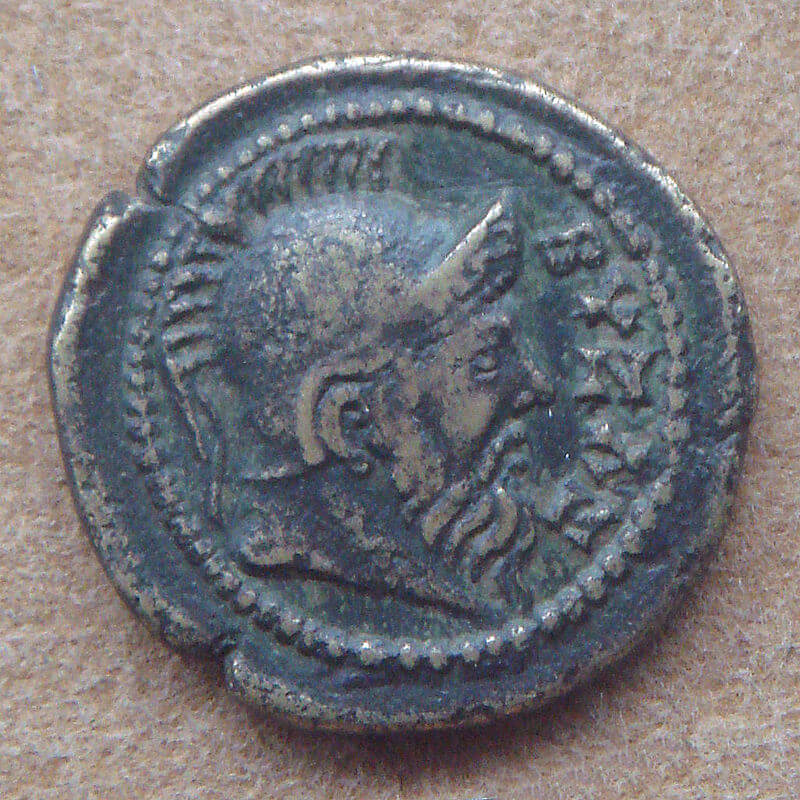
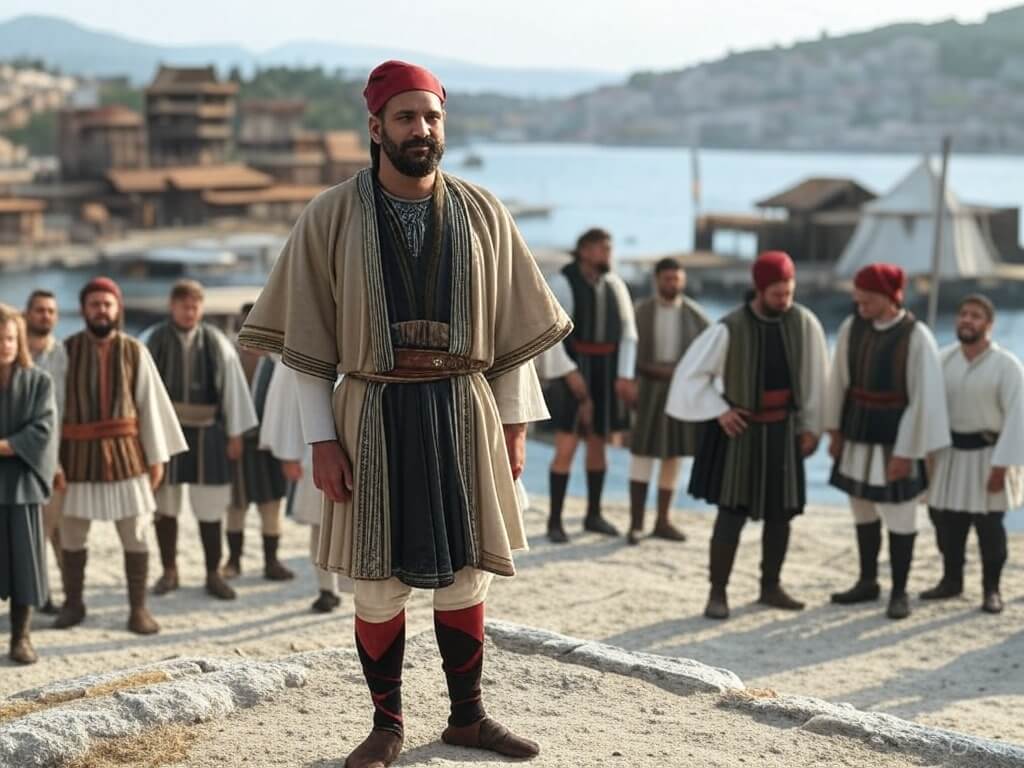
Around 667 B.C., Greek settlers from Megara, led by the legendary King Byzas, founded the city of Byzantium on the European shore of the Bosporus. The name “Byzantium” comes from Byzas himself. Its location, close to the meeting point of the Black Sea and the Aegean, made it ideal for trade and commerce. Early Byzantium emerged as a small but busy port where ideas, goods, and people crossed paths.
Initially, Greek settlers built a raised, fortified area next to the Golden Horn, thereby reinforcing the city’s natural defenses. In addition, they established temples, marketplaces, and early public buildings, which fostered economic and cultural growth. Consequently, this period marks the very first chapter of the Istanbul history, laying a strong foundation upon which later empires would build.
II. The Roman Era: Conquest, Growth, and Cultural Fusion
A. The Roman Takeover
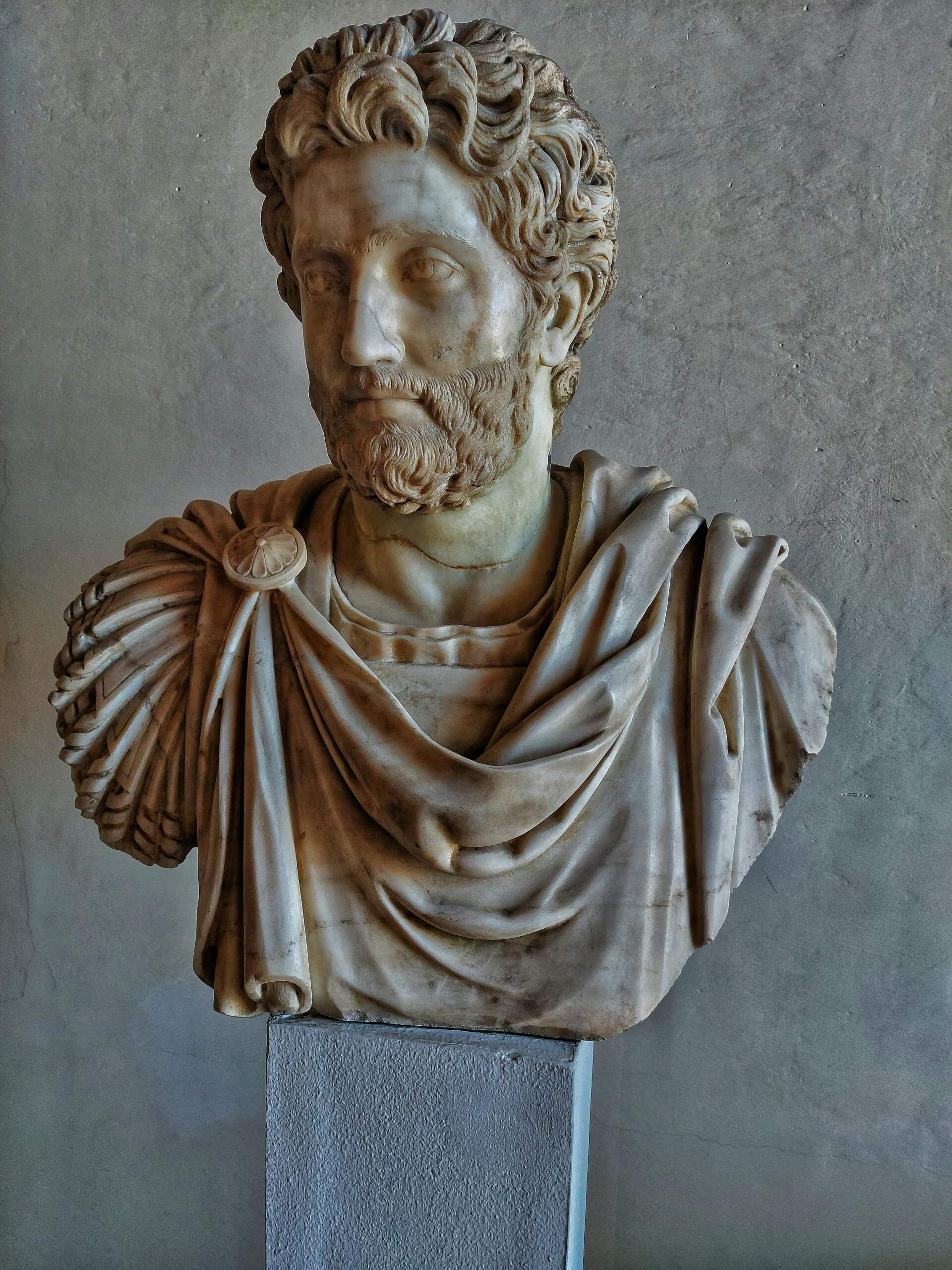
By the early 2nd century C.E., the mighty Roman Empire expanded its borders, setting its sights on Byzantium. Subsequently, in 196 C.E., Roman Emperor Septimius Severus captured the city and slowly integrated it into the Roman world. This event marks a significant turning point in the Istanbul history.
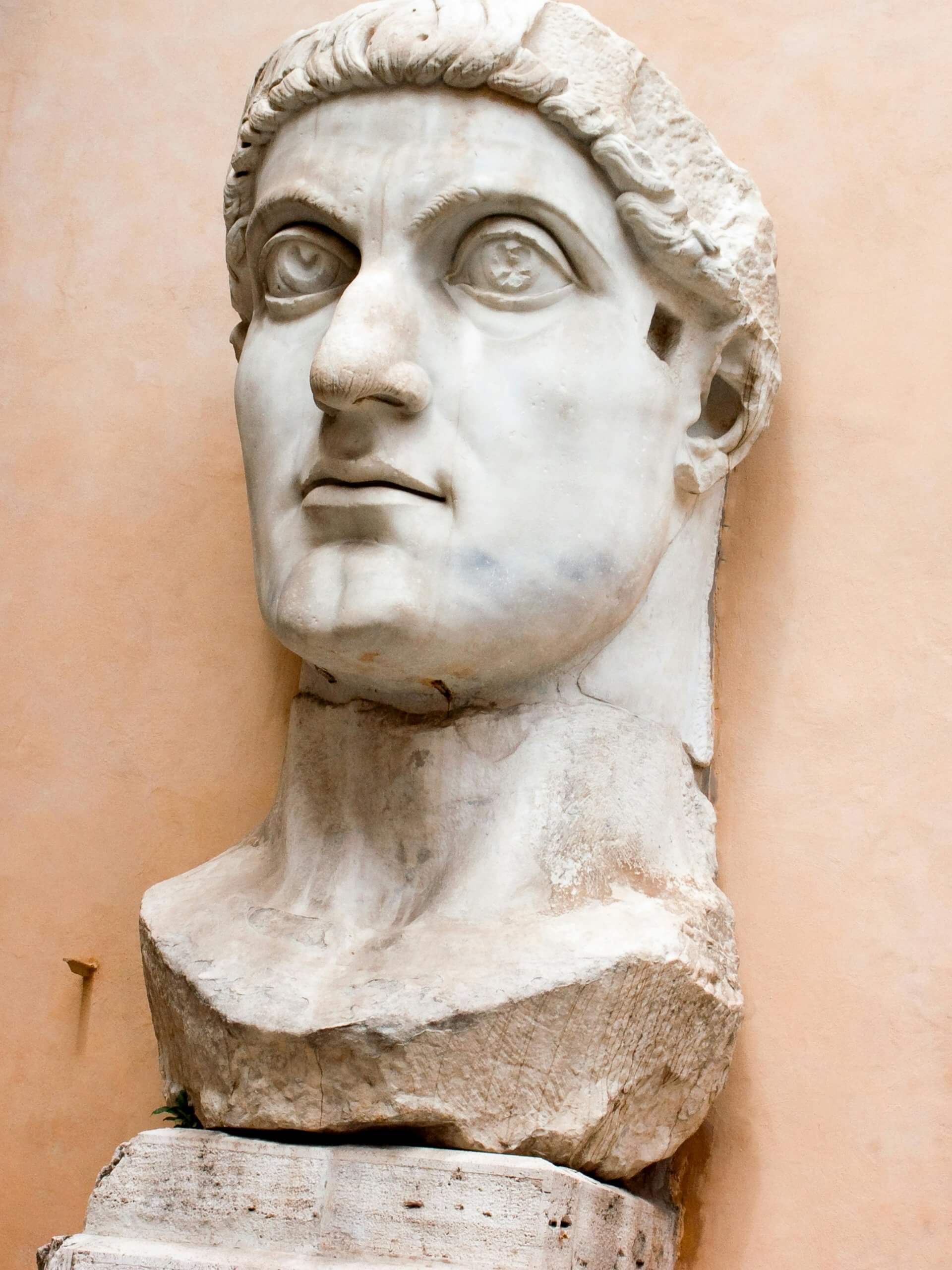
The most dramatic change came in 330 C.E. when Emperor Constantine the Great re-founded Byzantium as Constantinople. He made it the new capital of the Roman Empire, declaring a new era of power and order over the region. Constantine’s decision turned the small port city into the heart of a great empire, forever altering its destiny.
B. Roman Ingenuity and Urban Design
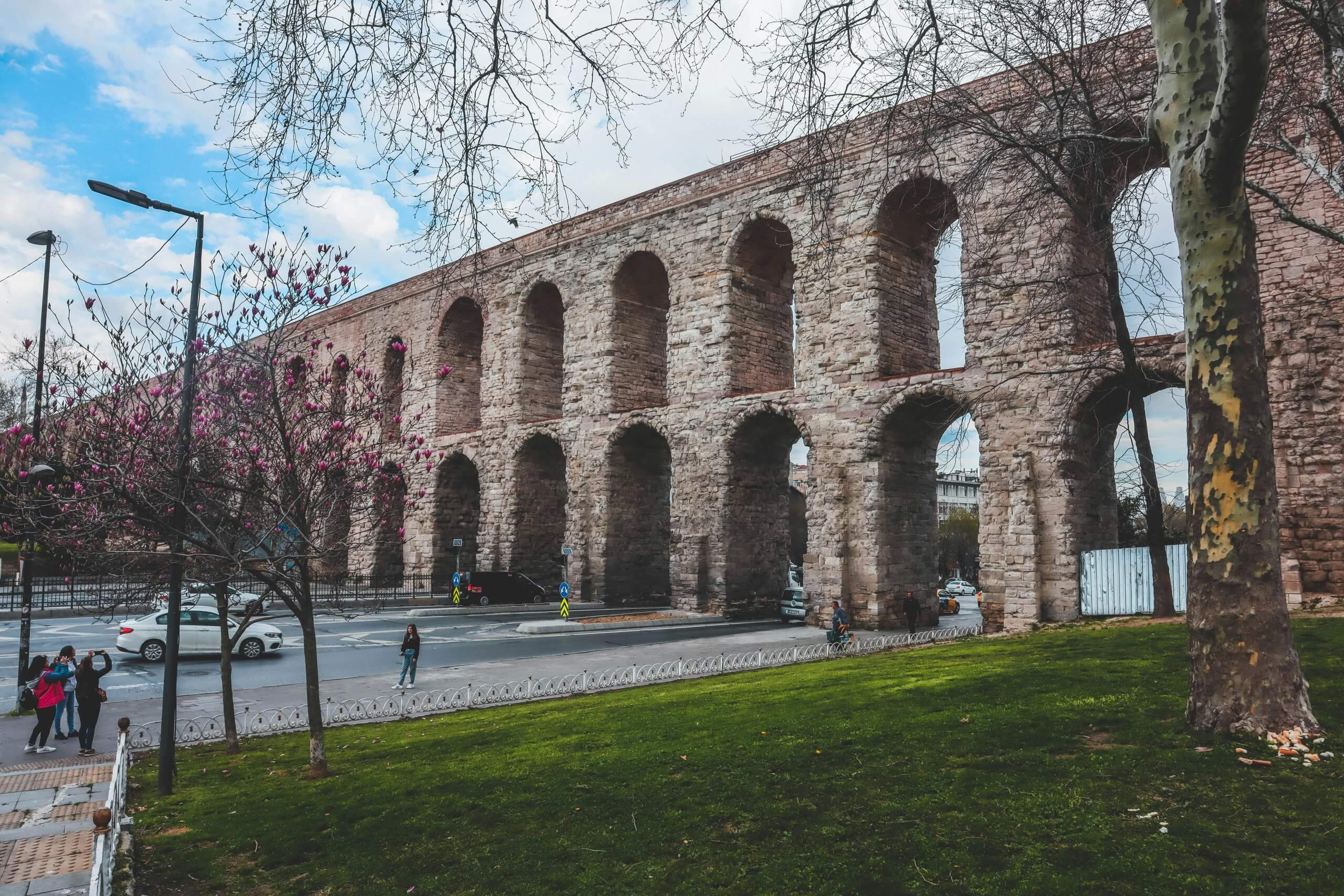
Under Roman rule, Constantinople turned into a city that showcased Roman engineering and management skills. The Romans built wide streets, grand forums, and impressive public buildings. They introduced new infrastructure, such as aqueducts and advanced water systems that ensured the city’s well-being for centuries.
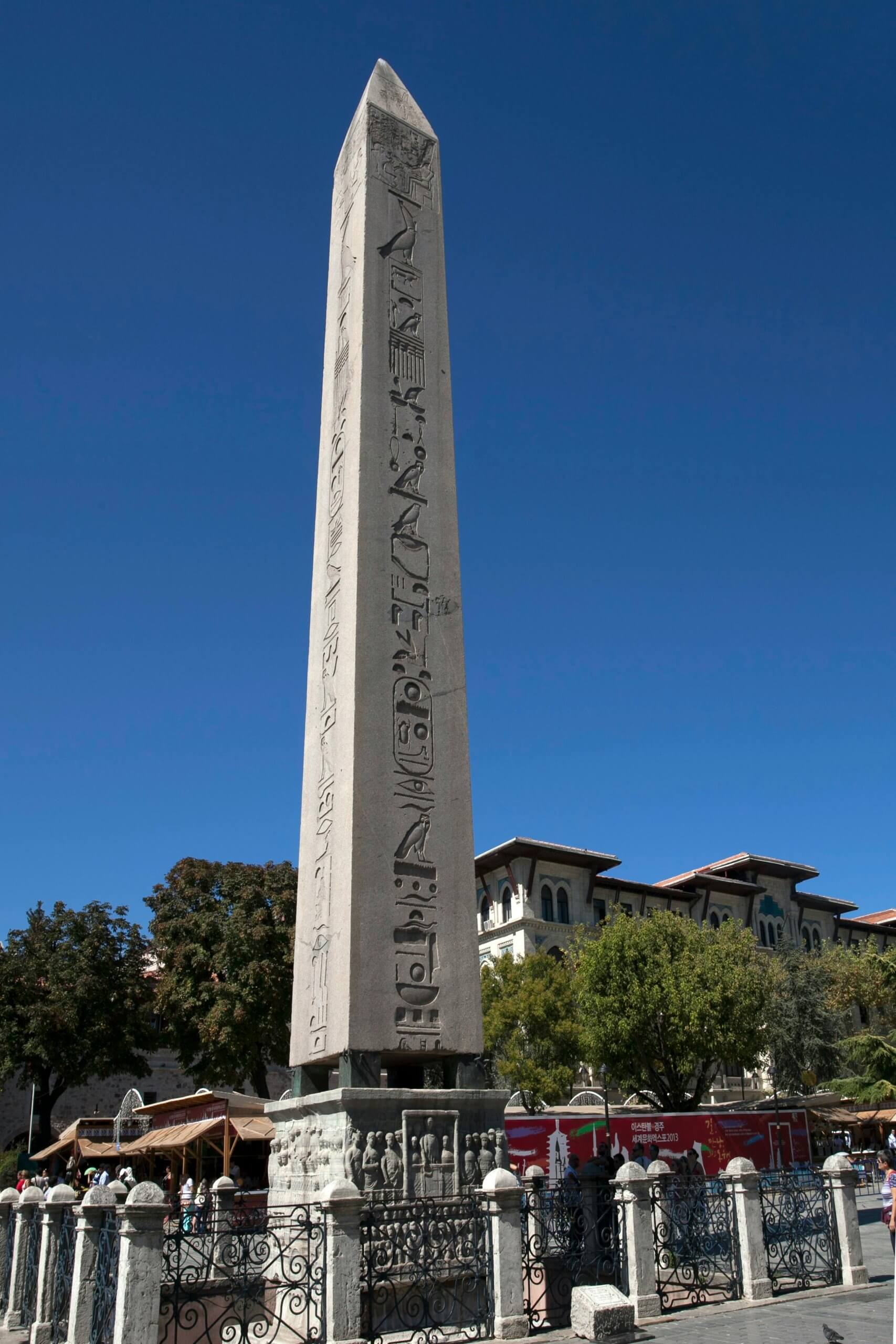
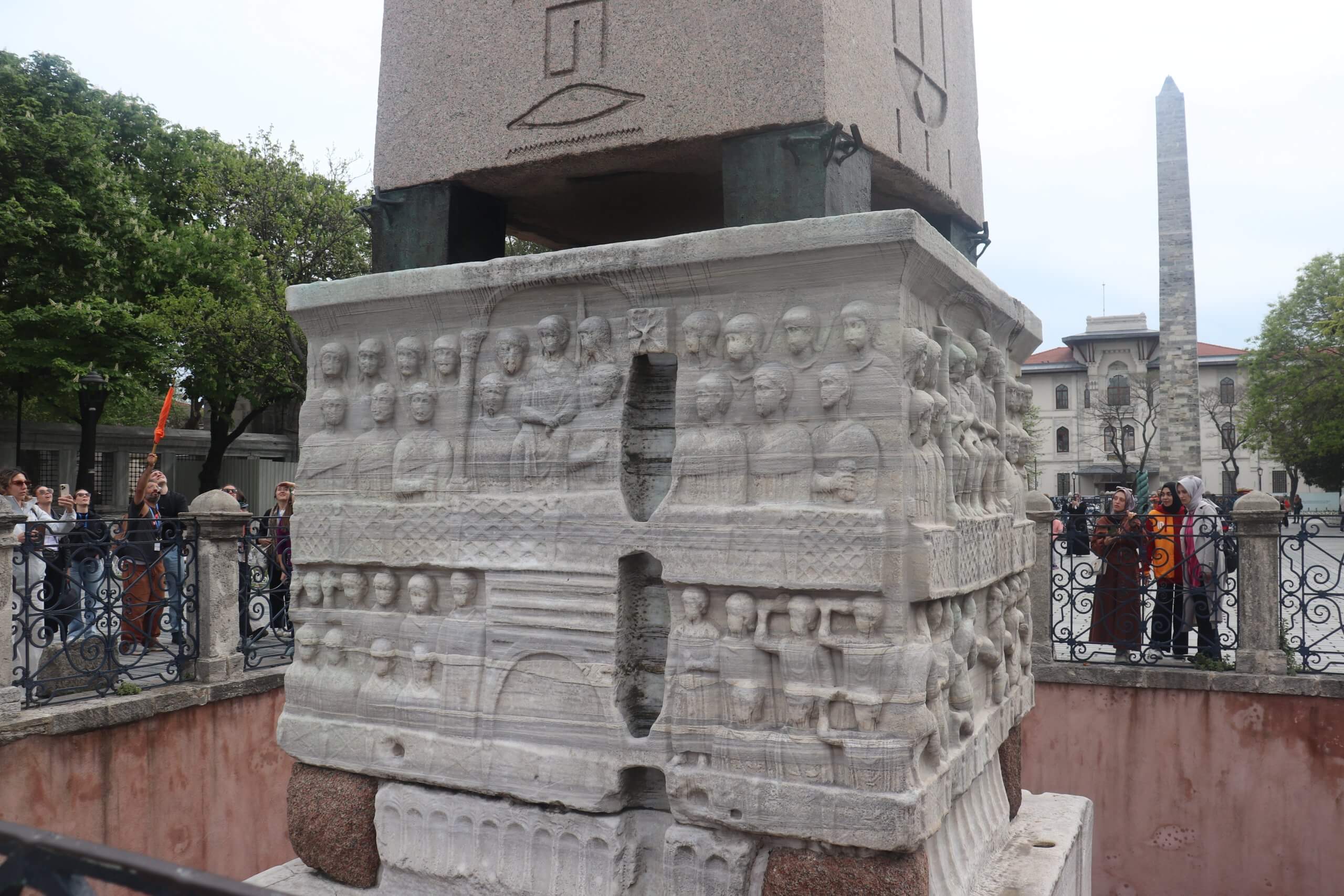
The famous Hippodrome became the center of public life. It was not just a stadium for horse races but also a venue for social gatherings and political events. The grand structure of the Hippodrome, with its statues and monuments, still echoes the cheering of the ancient population of this region, watching the races and battles in the circus.
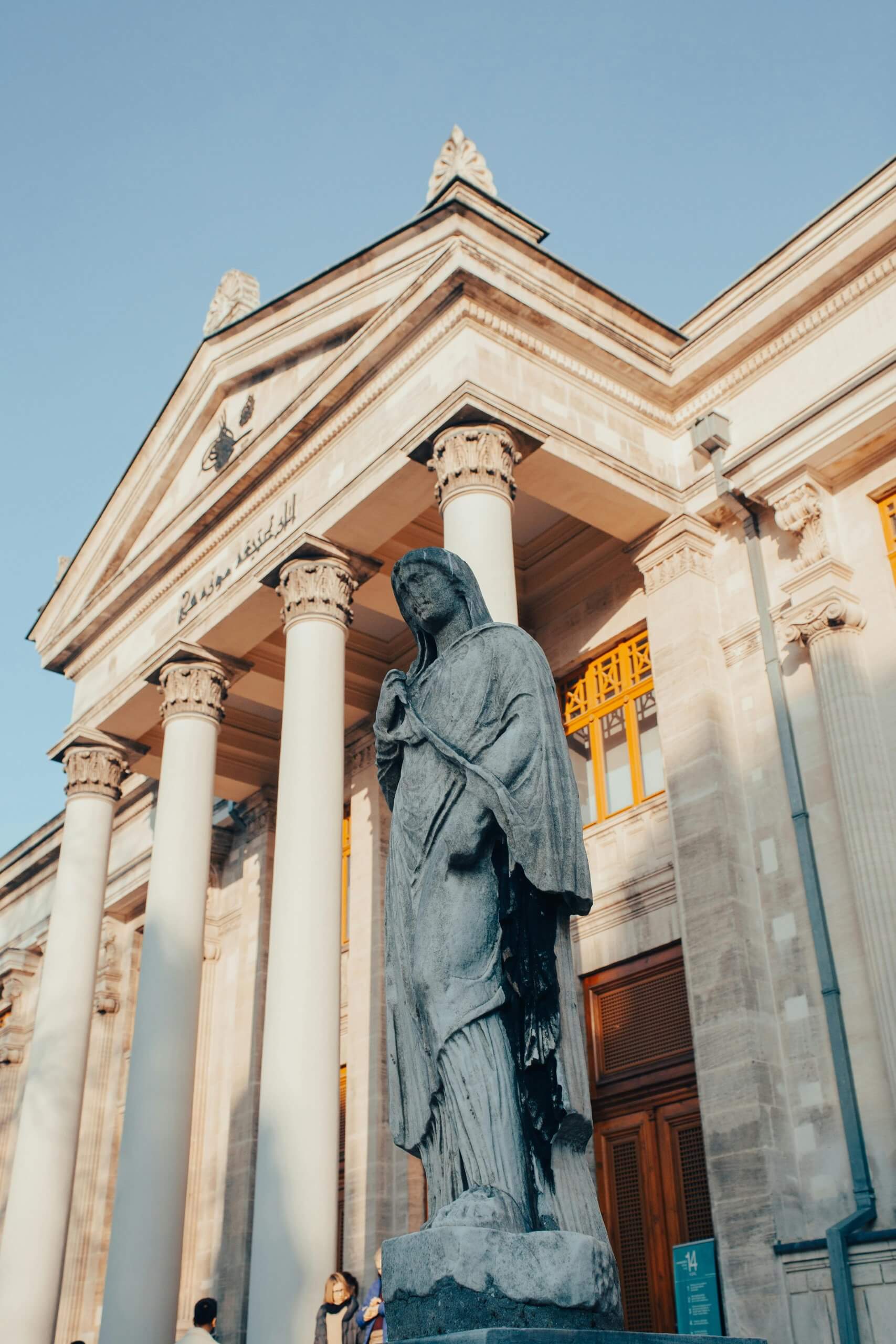
Roman architects also built expansive public baths, amphitheaters, and basilicas that combined practical design with artistic beauty. Their urban planning methods laid the blueprint for the city’s future grand development. Today, remnants of Roman infrastructure, such as parts of the ancient city walls and aqueducts, remind us of a time when the Romans set the stage for history of Istanbul.

C. Cultural Mixture and Religious Transformation
Constantinople quickly became a melting pot of cultures. Roman, Greek, and Near Eastern influences mixed to create a unique cultural and social fabric. Pagan temples existed in the city, but slowly, Christianity began to take over. Emperor Constantine’s own conversion to Christianity played a major role in this religious transformation, which was also an important point in the history of Christianity. The adoption of Christianity by the state set the tone for future religious changes that would define the Istanbul history. Christian ideas began to shape art, literature, and law. The mixture of diverse traditions during this period became a crucial part of history of Istanbul, and like Jerusalem, made it one of the most culturally diverse cities of the whole world.
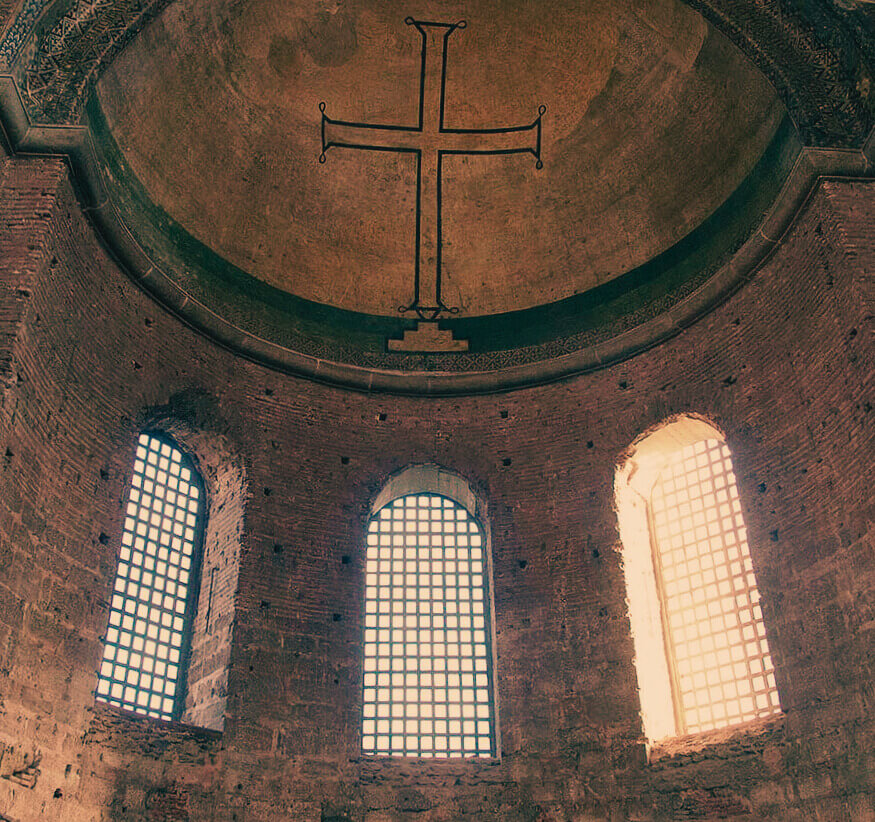
III. The Byzantine Era: The Cradle of Eastern Christianity and Golden Age of Art and Innovation
A. The Rise of the Byzantine Empire
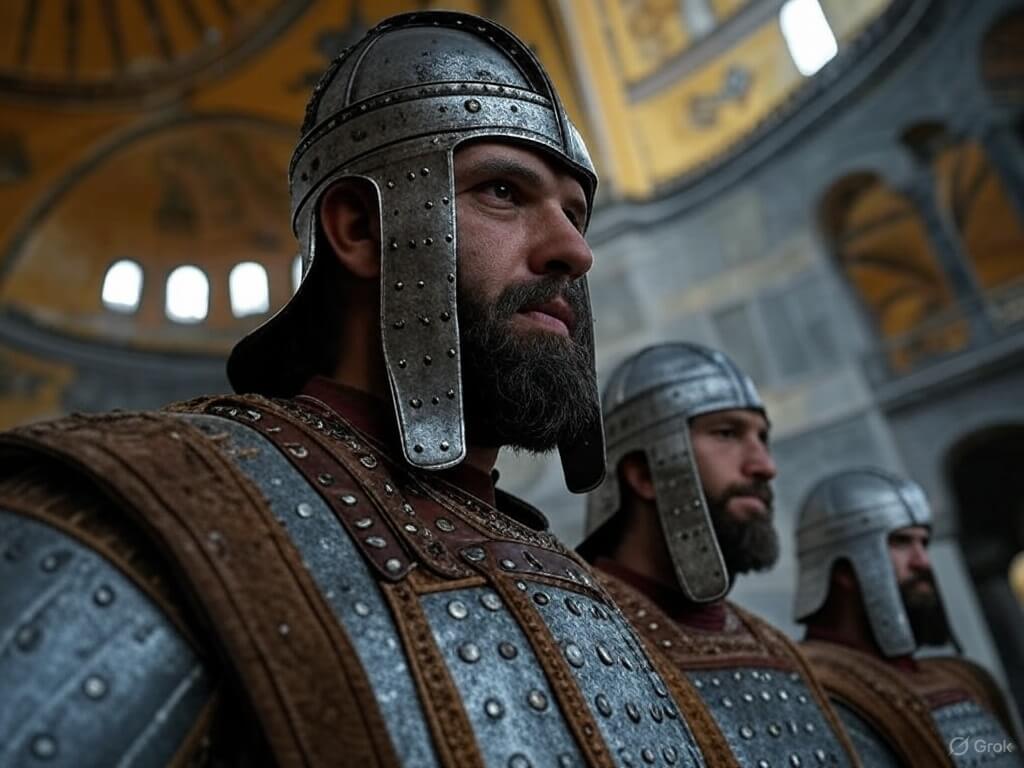
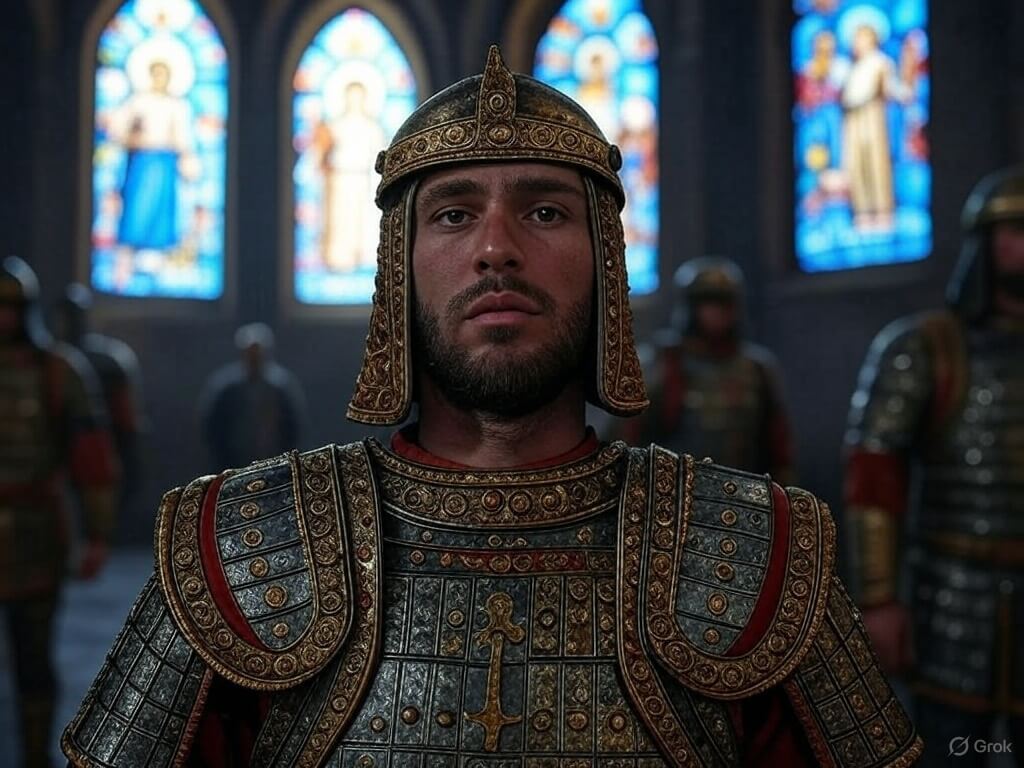
After the Roman Empire split, the so-called Eastern Roman land emerged as the Byzantine Empire. Constantinople, now a city reborn under Constantine’s vision, became the beating heart of Byzantine power. This era represents a golden age for the Istanbul history. The city grew in wealth, culture, and influence, becoming a center of art, science, and religion.
Byzantine rulers invested in grand building projects, renewing the city’s fortifications and constructing new churches and palaces. They balanced the heritage of ancient Rome with innovative new ideas. The Byzantine period is celebrated for its role in preserving classical knowledge while forging a distinct Christian culture that deeply influenced history of Istanbul.
D. Enduring Landmarks and Urban Life
Walking through Istanbul today feels like traveling through a living museum of the Ottoman era. The Grand Bazaar, one of the oldest and largest covered markets in the world, continues to be a center of commerce. Historic mosques such as the Rüstem Pasha Mosque and the various imperial complexes along the Bosporus still tell the story of Ottoman greatness.
Fortresses like Rumelihisarı and Anadoluhisarı, built to guard the straits, remind us of the empire’s military might and power. They are vital parts of the Istanbul history that modern visitors can experience firsthand.
C. Intellectual and Cultural Flourishing
During the Byzantine era, scholars and artists flourished. The empire became a center for learning, where ancient Greek and Roman texts were preserved and studied. Philosophers, theologians, and poets contributed to this historically valuable scene that influenced far beyond the city. The intellectual efforts of the Byzantines laid the foundations for the Renaissance in Western Europe. Their work in preserving classical knowledge is a crucial part of history of Istanbul.
D. Struggles and Sieges
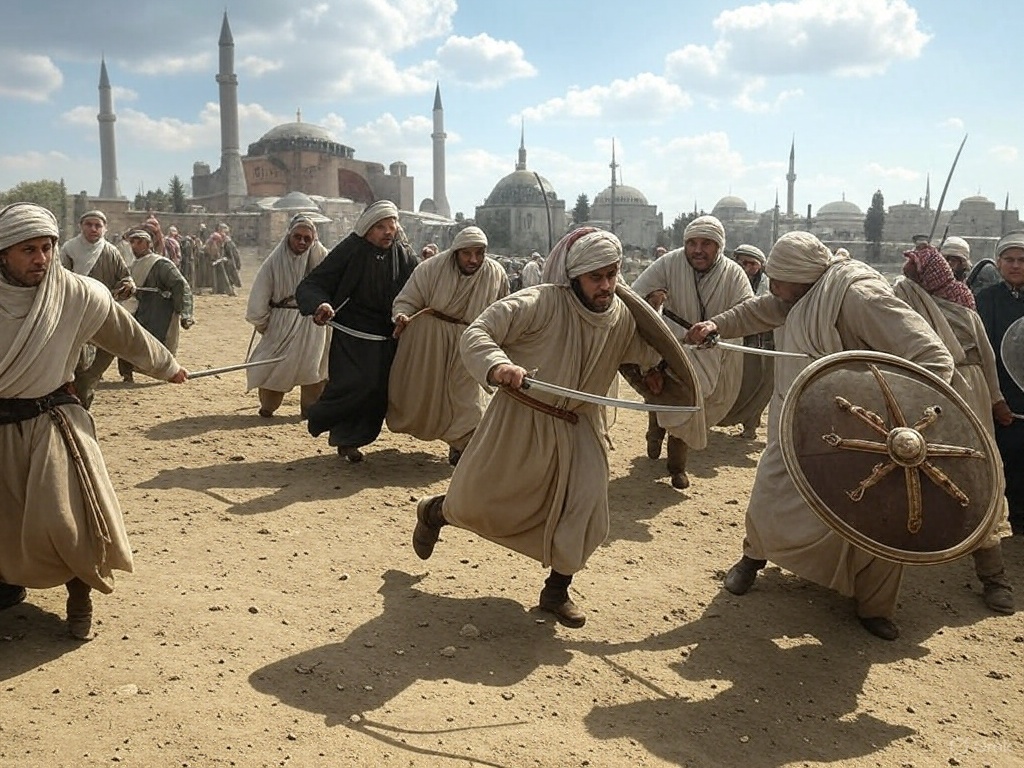
Despite its cultural brilliance, the Byzantine Empire faced many external challenges. For example, Constantinople endured Arab sieges in 674–678 C.E. and again in 717–718 C.E., when Muslim forces from the Umayyad Caliphate tried to capture it. These raids, although they cost the Byzantines some territories like Armenia and Caucasian principalities, tested the city’s defenses and built its reputation for resilience.
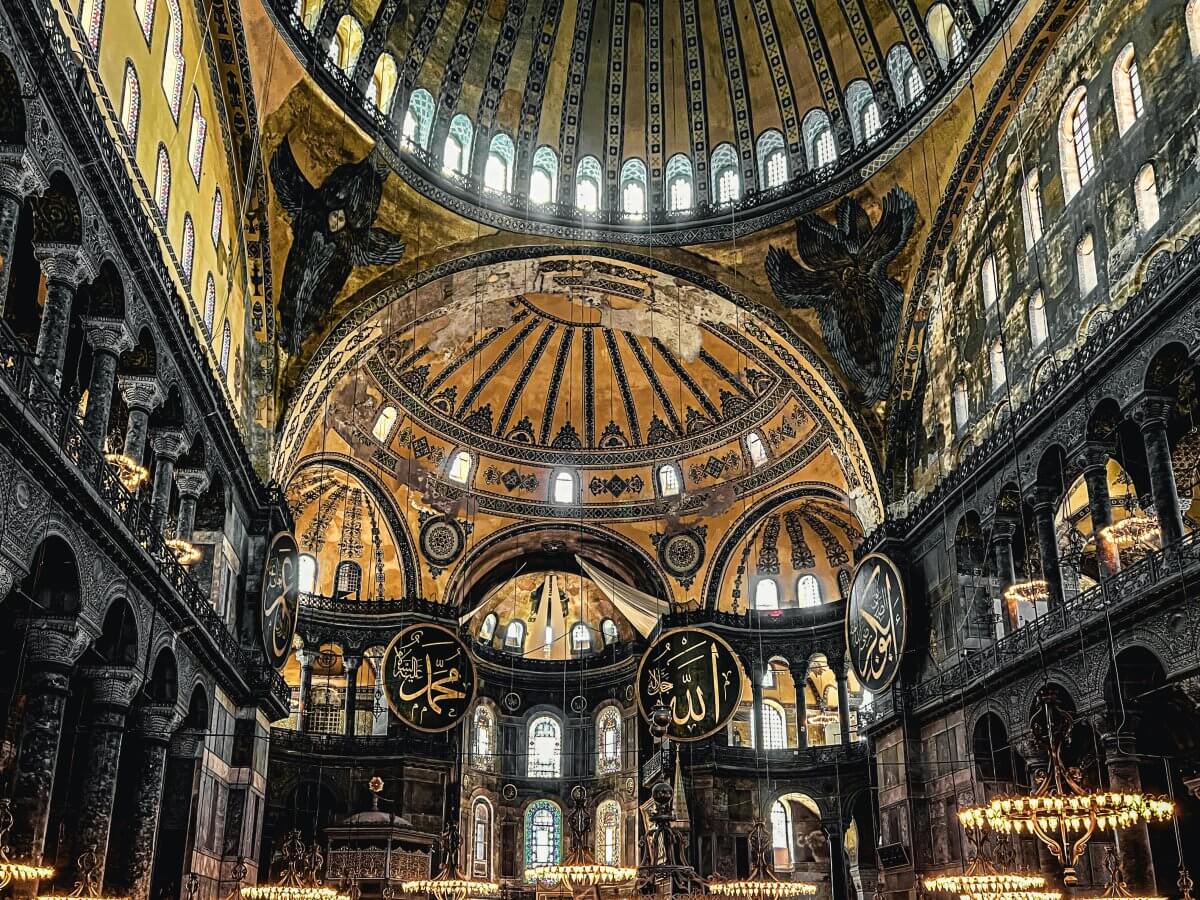
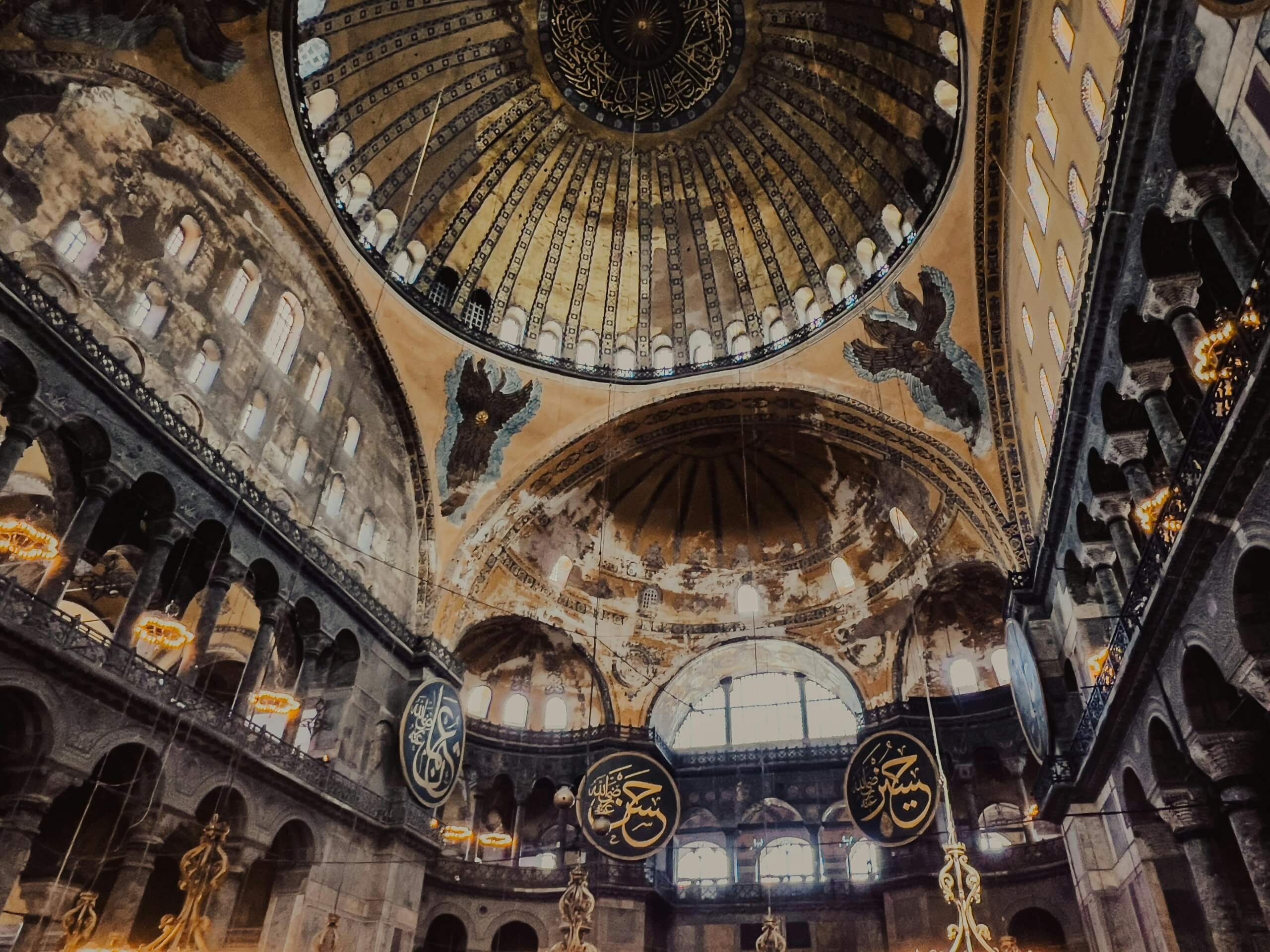
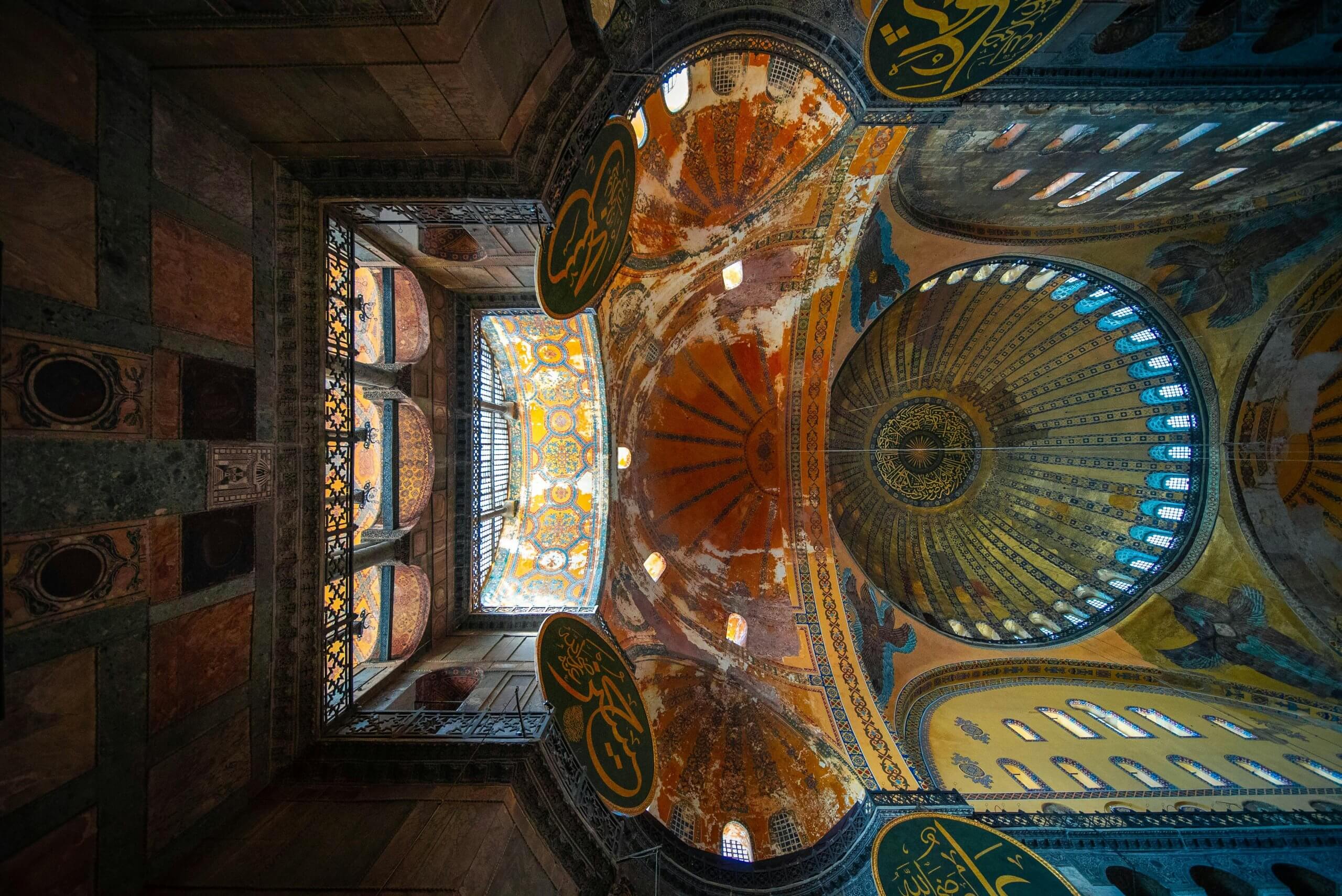
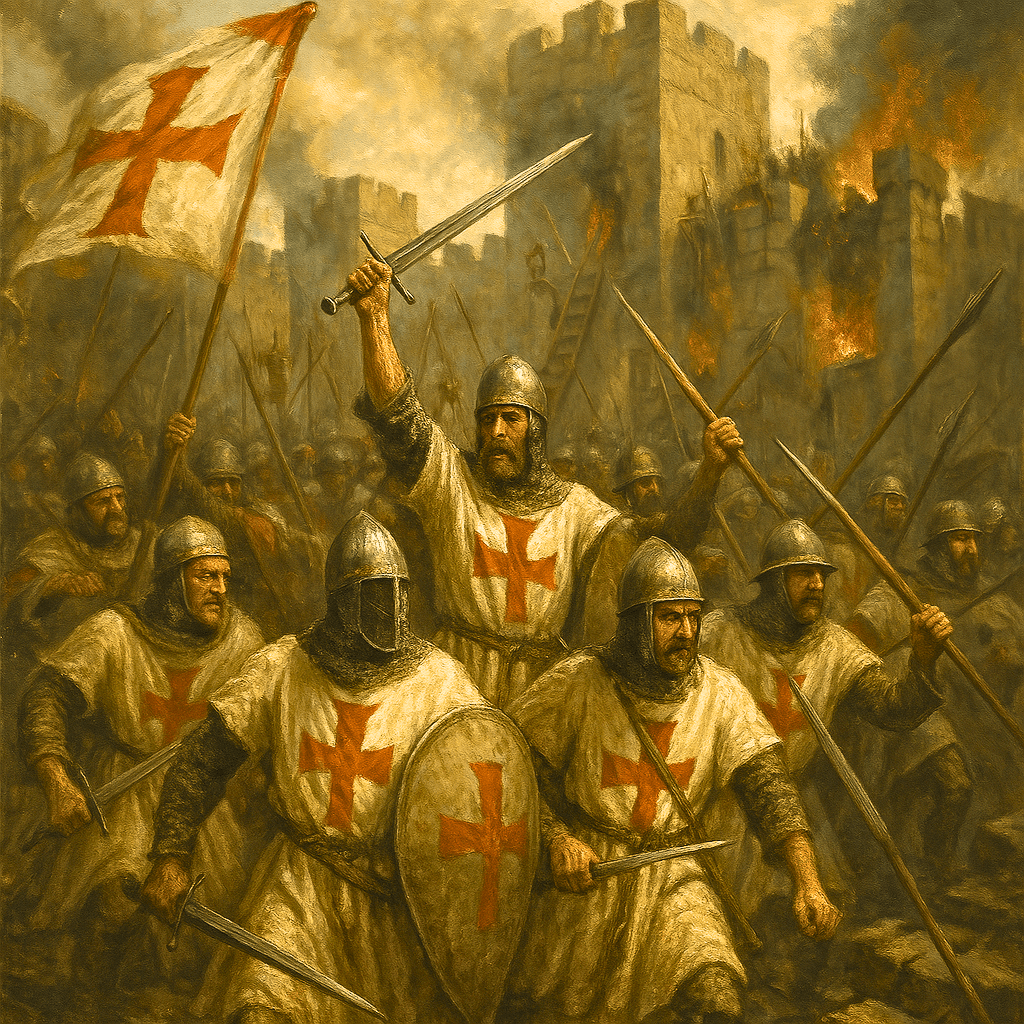
Moreover, during the Sack of Constantinople, in 1204, the Fourth Crusade was meant to take back Jerusalem, but due to money problems and political maneuvering, they ended up targeting Constantinople instead. For three intense days, they breached the city’s walls, looted everything in sight, and caused widespread damage. Priceless artworks, sacred relics, and important monuments were plundered or destroyed. Notably, King Baldwin was crowned in the Hagia Sophia, which marked the start of brief Latin Empire rule and deepened the divide between Eastern Orthodoxy and Roman Catholic Churches.
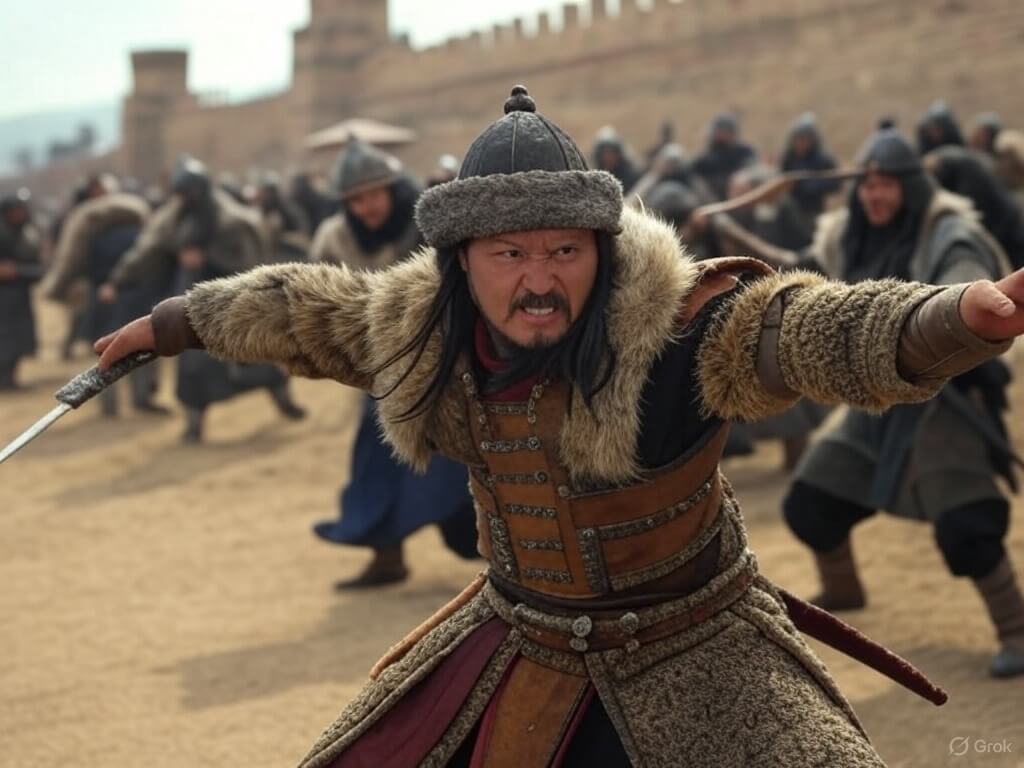
Although the Mongols never directly attacked Constantinople, their influence was significant. In 1243, the Battle of Köse Dağ saw the Seljuk Sultanate of Rum suffer a crushing defeat by the Mongols. This loss weakened Seljuk power, fragmented the region into smaller principalities, and set the stage for the Ottomans. Overall, these events are important chapters that contribute to the history of Istanbul by reshaping the power dynamics in the area.
Internal conflicts in the governing body, court corruption and political rivalries were also part of Byzantine life. Nevertheless, the empire lasted for nearly a thousand years. The determination to maintain the city’s legacy through ups and downs is a key element of the Istanbul history.
E. Byzantine Legacy in Modern Times
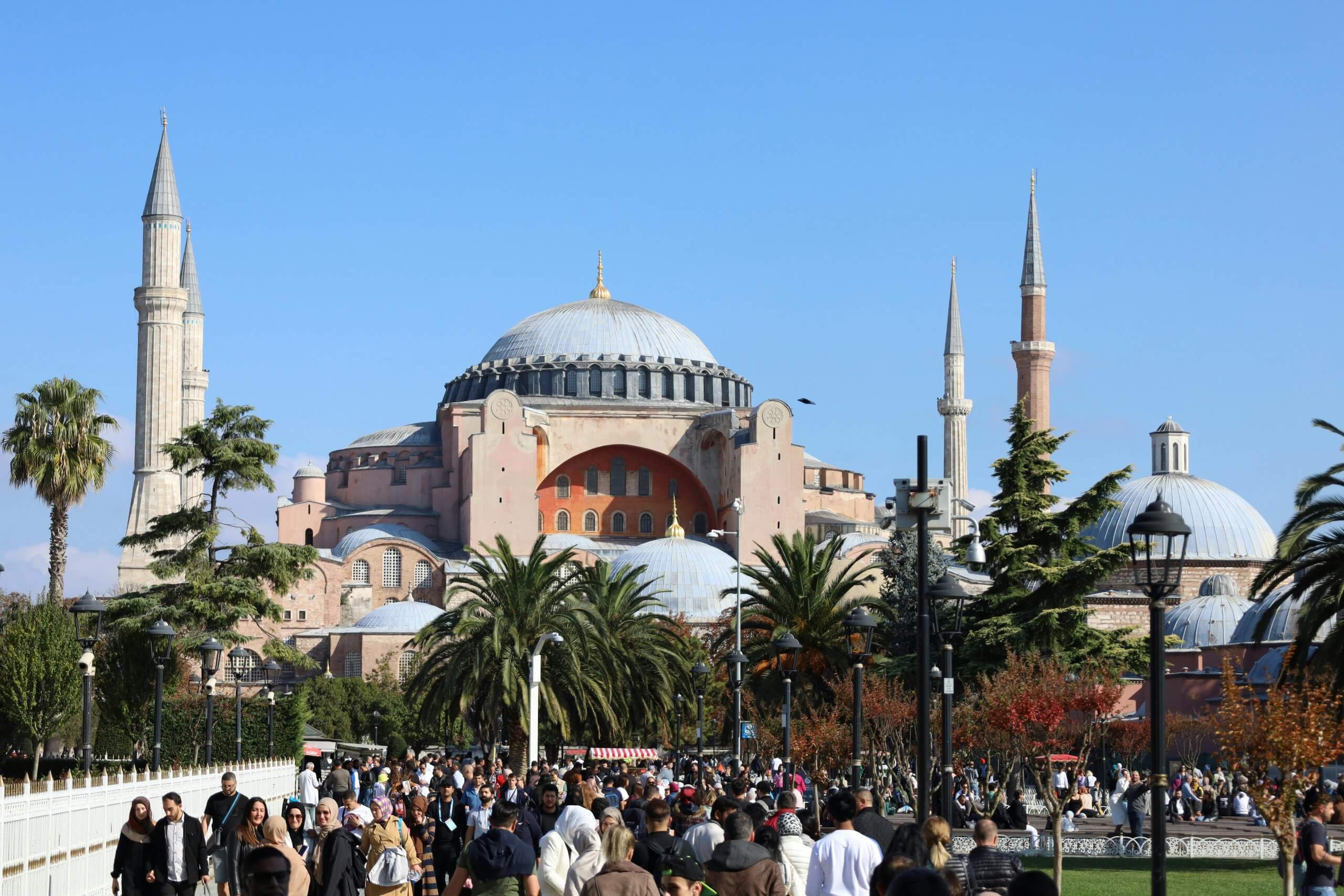
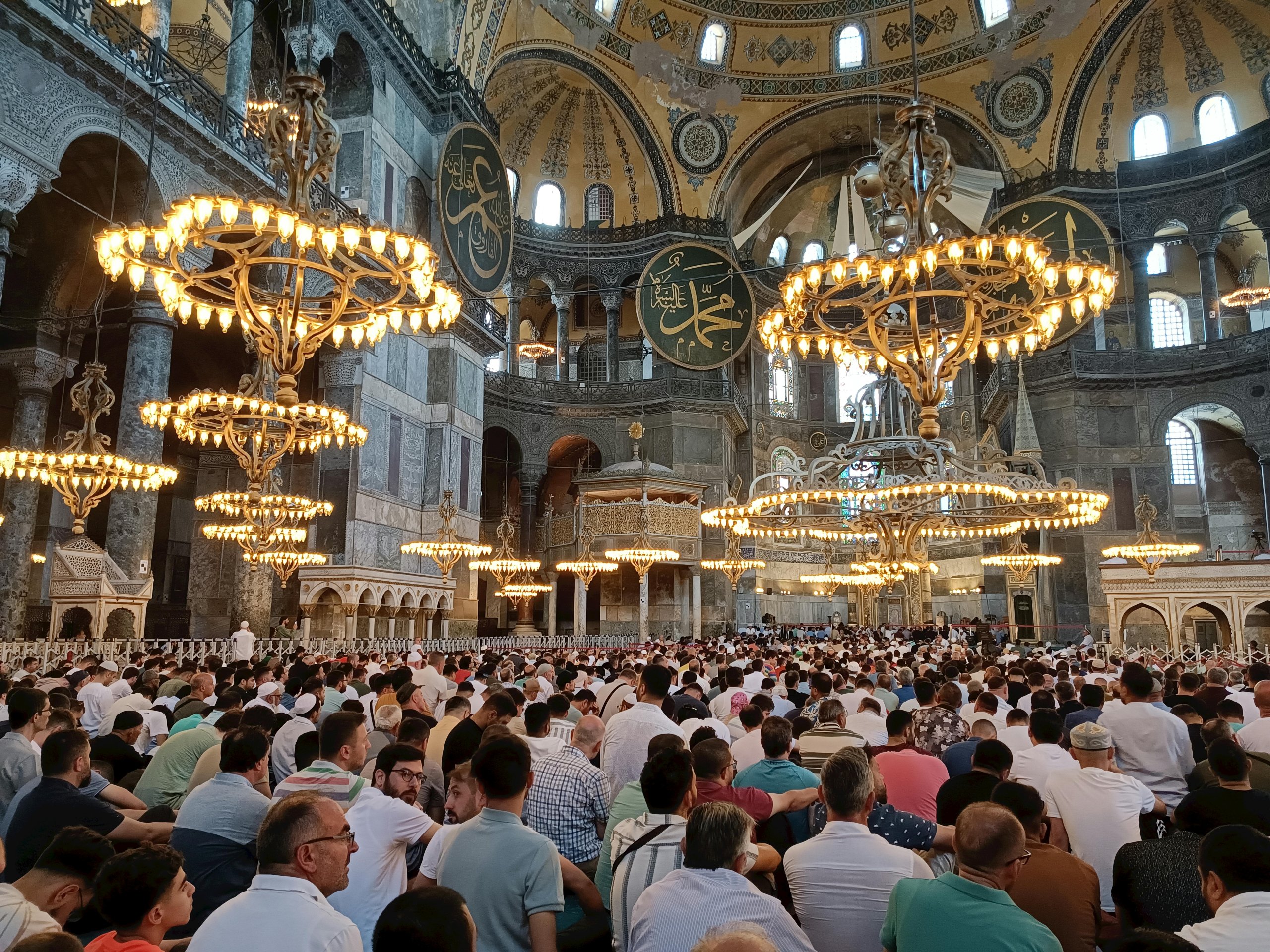
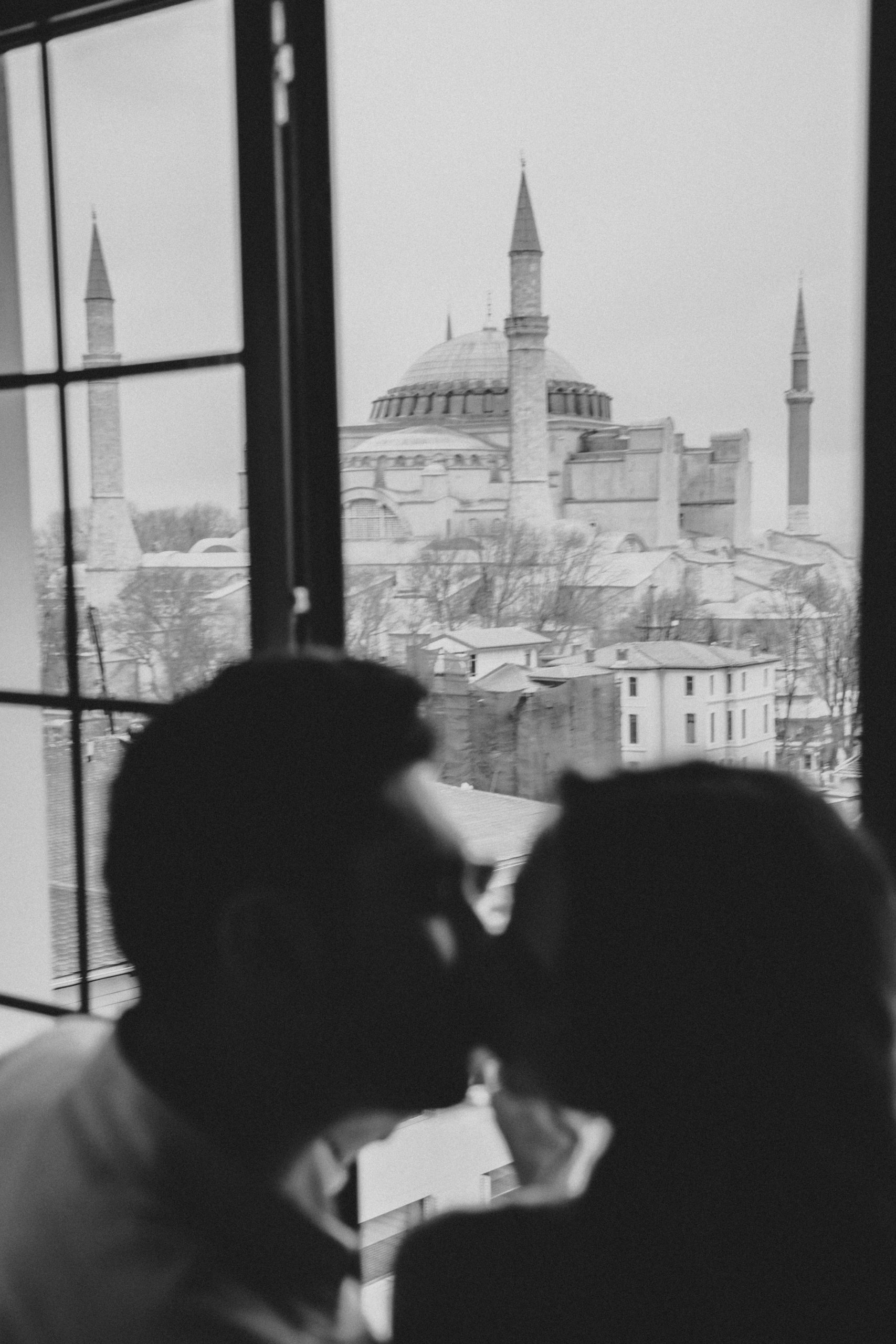
Today, you can explore many remnants of Byzantine heritage in Istanbul. The Hagia Sophia, Basilica Cistern, and various ancient churches still attract curious visitors. Museums across the city display artifacts from this period, preserving the memory of a time when Byzantine art and faith left an incredible mark on the world. These sites continue to celebrate history of Istanbul.


IV. The Ottoman Era: A New Chapter in Istanbul's Story
A. The Fall of Constantinople and Rise of a New Power
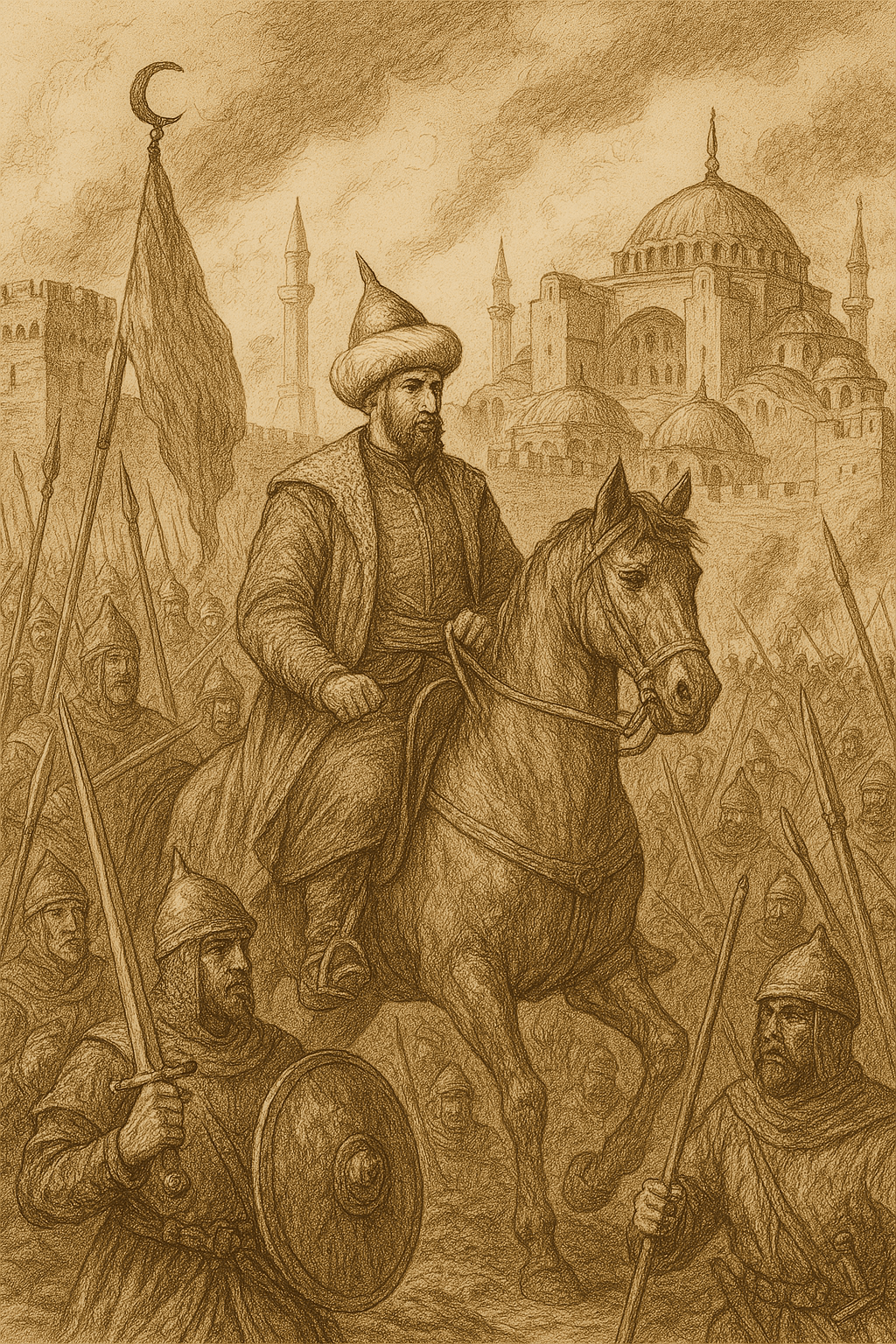
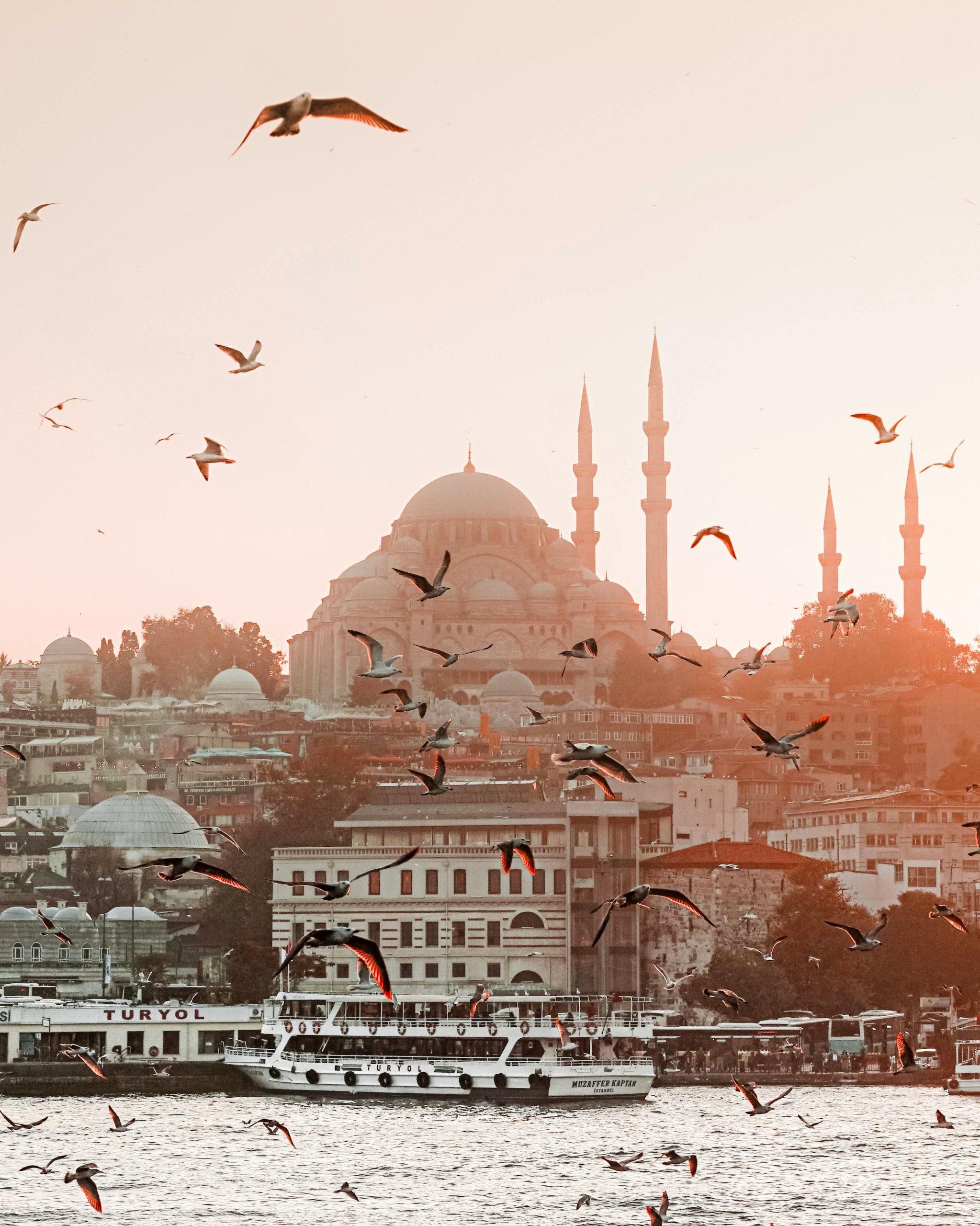
In 1453 C.E., the 21-year-old Sultan Mehmed II captured Constantinople after a 55-day siege, thereby marking the end of the Byzantine Empire by seizing its capital. Consequently, he renamed the city Istanbul and made it the capital of the Ottoman Empire. Thus, this event reshaped the Istanbul history and set the stage for a long-lasting era that would dominate regions from Eastern Europe and Anatolia to Iraq and Arabia for nearly 500 years.
Furthermore, the Ottoman conquest was not only a military triumph but also a cultural revolution. Moreover, Sultan Mehmed II welcomed people from across his vast empire, thereby creating a diverse and dynamic city. As a result, the blend of old Byzantine traditions with fresh Ottoman influences and Islamic unity became key components of this era in history of Istanbul.
B. Architectural Brilliance and Urban Renewal
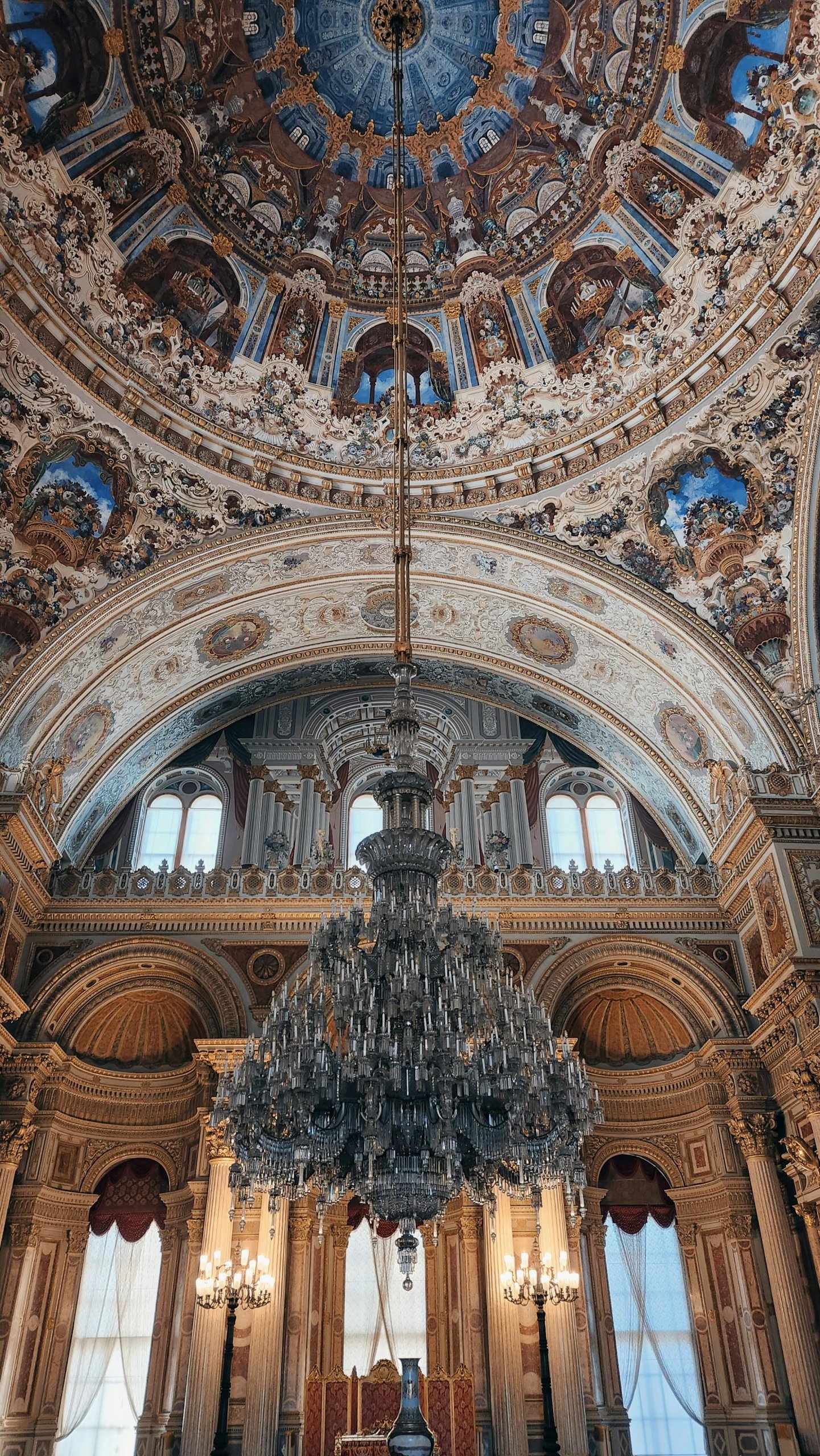
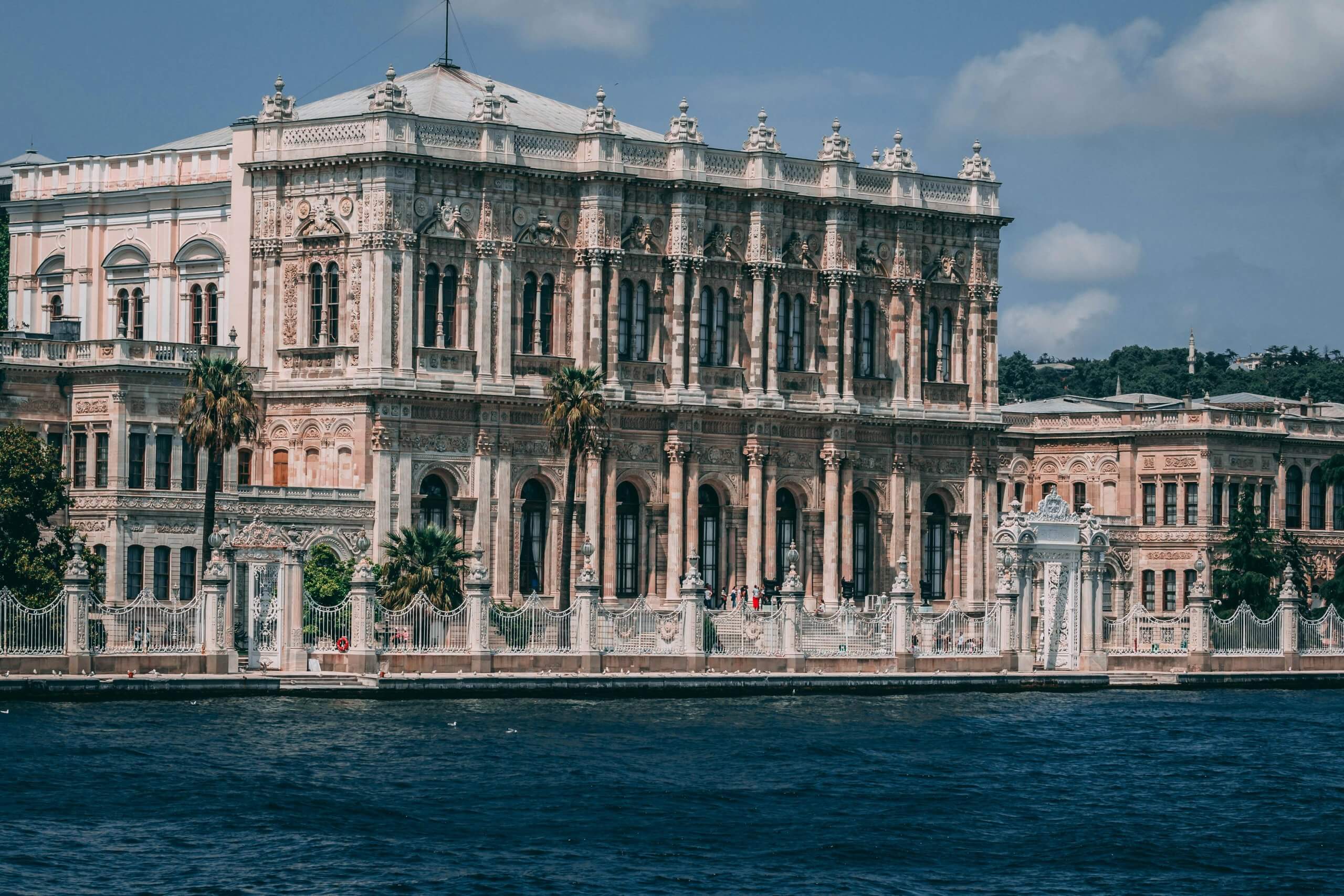
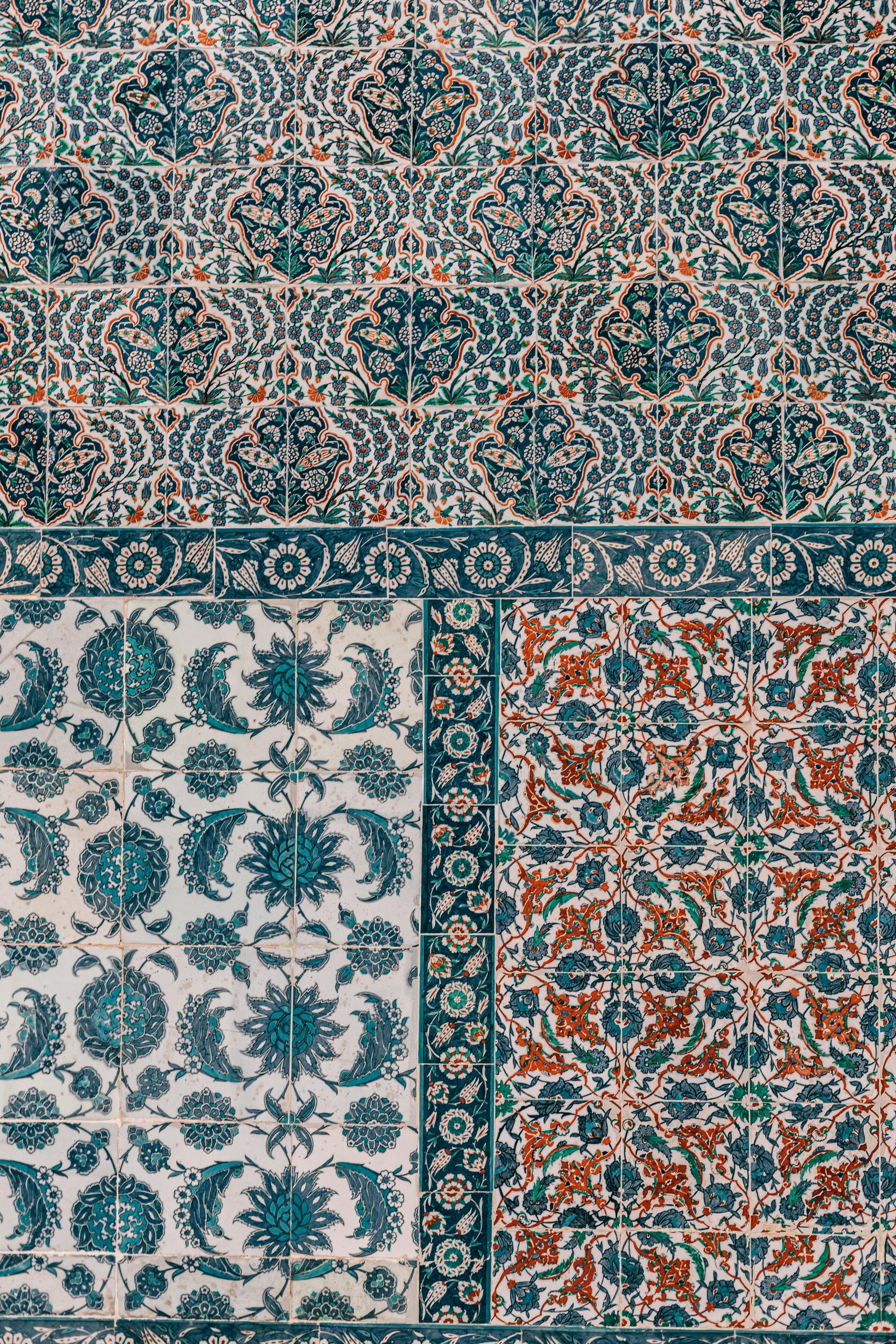
The Ottomans transformed the urban landscape of Istanbul with ambitious building projects. They constructed magnificent mosques, palaces, markets, and schools that defined most of the today city’s historical and religious skyline. The Blue Mosque (Sultan Ahmed Mosque) stands as a prime example, with its stunning blue tiles and impressive domes. Equally important is the Topkapi Palace, which served as the seat of the Ottoman government and is now a treasure of imperial history.
Ottoman architects often blended Byzantine elements with Islamic design, creating a unique style that still inspires architecture today. Structures like the Süleymaniye Mosque and the complex network of bridges and aqueducts are examples of this creative fusion. Their work is a huge testament to history of Istanbul.
C. Cultural and Scientific Achievements
The Ottoman period was also a time of remarkable cultural and scientific progress. Artists, scientists, and scholars flourished in Istanbul. Madrasas (schools), libraries, and observatories played a vital role in spreading knowledge. The Ottoman Empire supported advances in astronomy, medicine, and engineering that enriched the city’s legacy.
Cultural life thrived through music, literature, and visual arts. Modern musical elements and techniques of Turkish and Middle Eastern music are rooted in this era alongside Persian influences. Additionally, poets and storytellers recounted the exploits of sultans and warriors, weaving history and myth together. The cultural openness of the Ottomans allowed for a rich exchange of ideas among diverse communities. This period is celebrated as one of the most creative chapters in the Istanbul history.

D. Enduring Landmarks and Urban Life
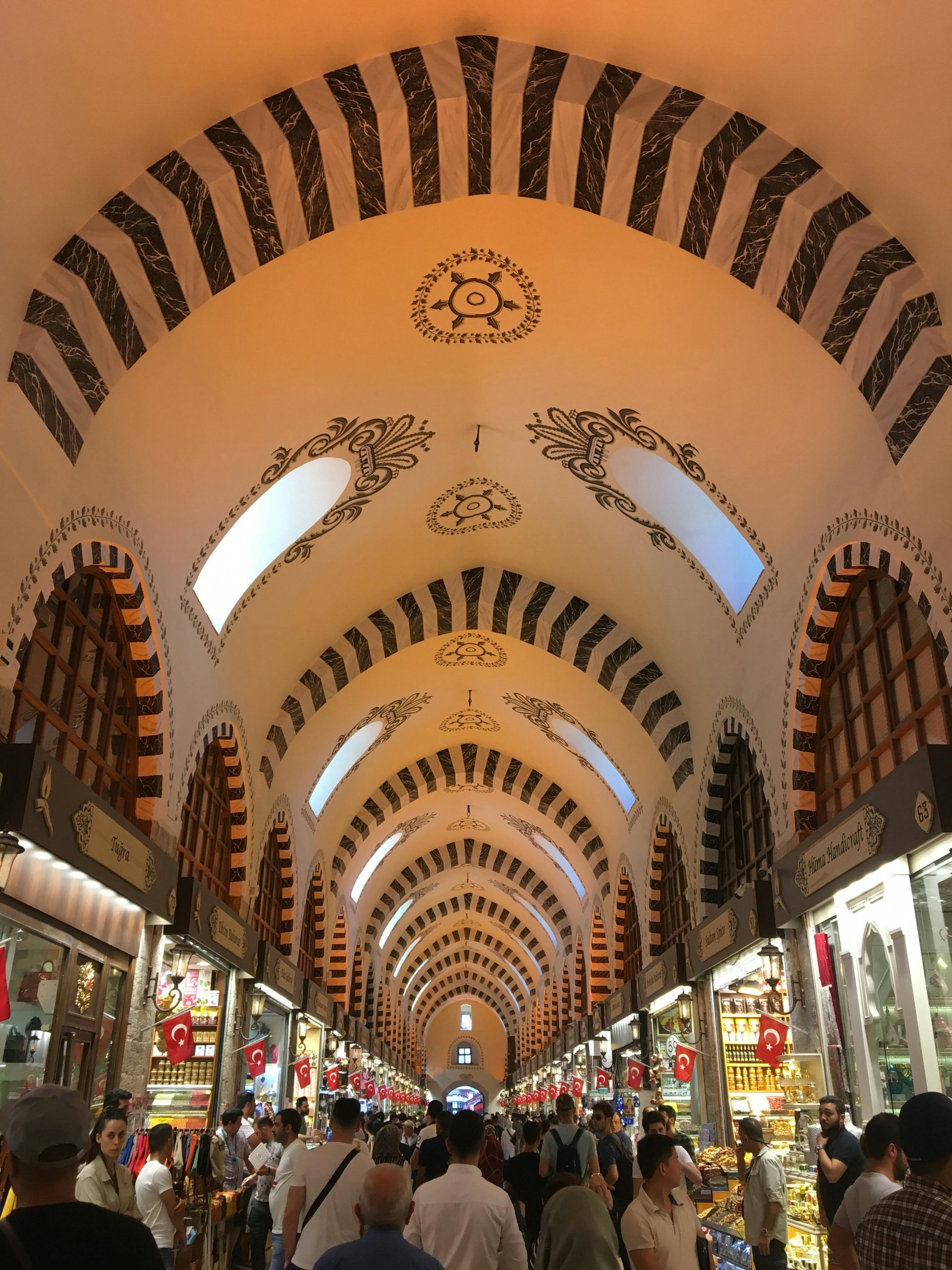
Walking through Istanbul today feels like traveling through a living museum of the Ottoman era. The Grand Bazaar, one of the oldest and largest covered markets in the world, continues to be a center of commerce. Historic mosques such as the Rüstem Pasha Mosque and the various imperial complexes along the Bosporus still tell the story of Ottoman greatness.
Fortresses like Rumelihisarı and Anadoluhisarı, built to guard the straits, remind us of the empire’s military might and power. They are vital parts of the Istanbul history that modern visitors can experience firsthand.

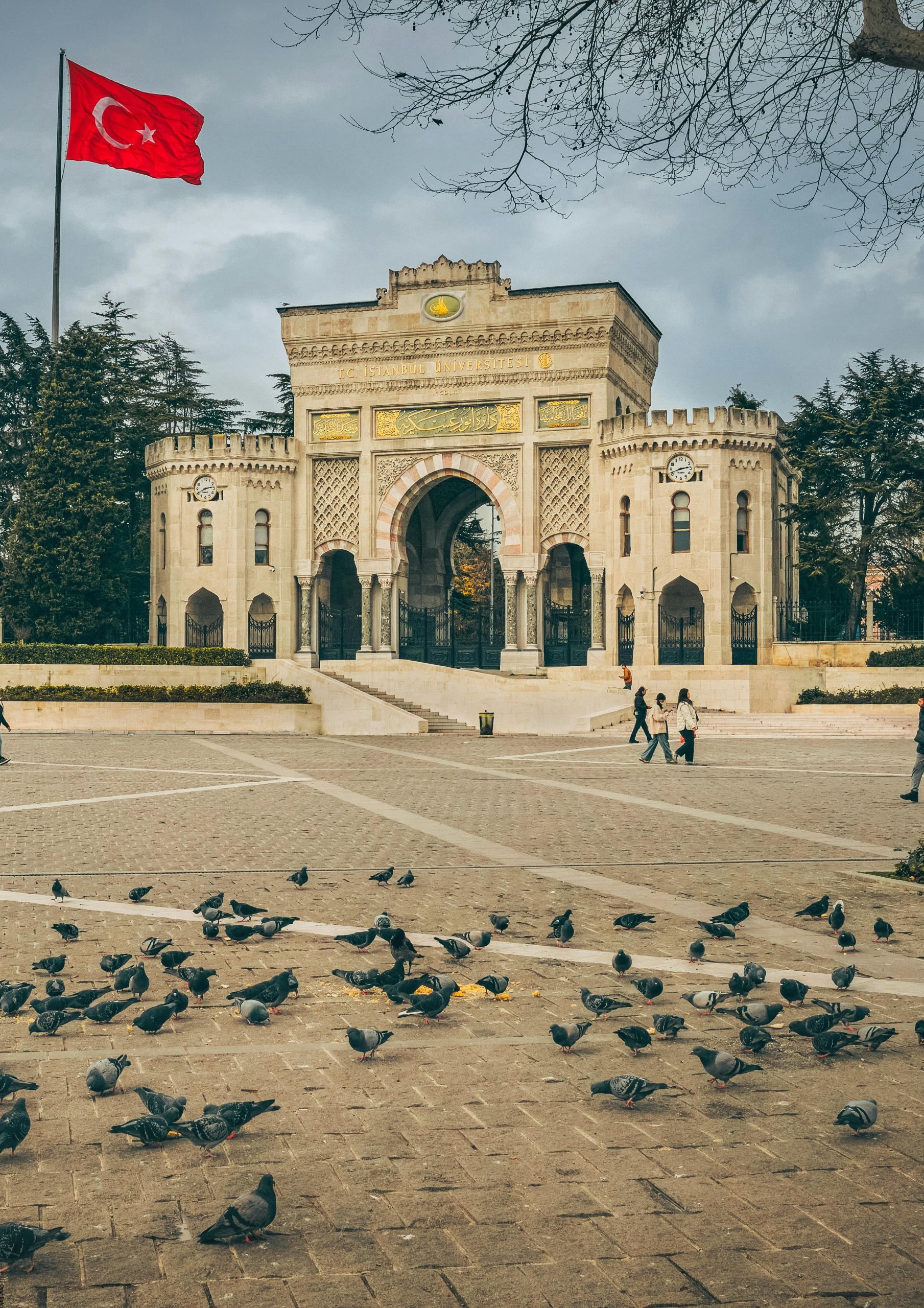
V. Istanbul in Transition: The Modern Era
A. The Fall of an Empire and the Birth of a Republic
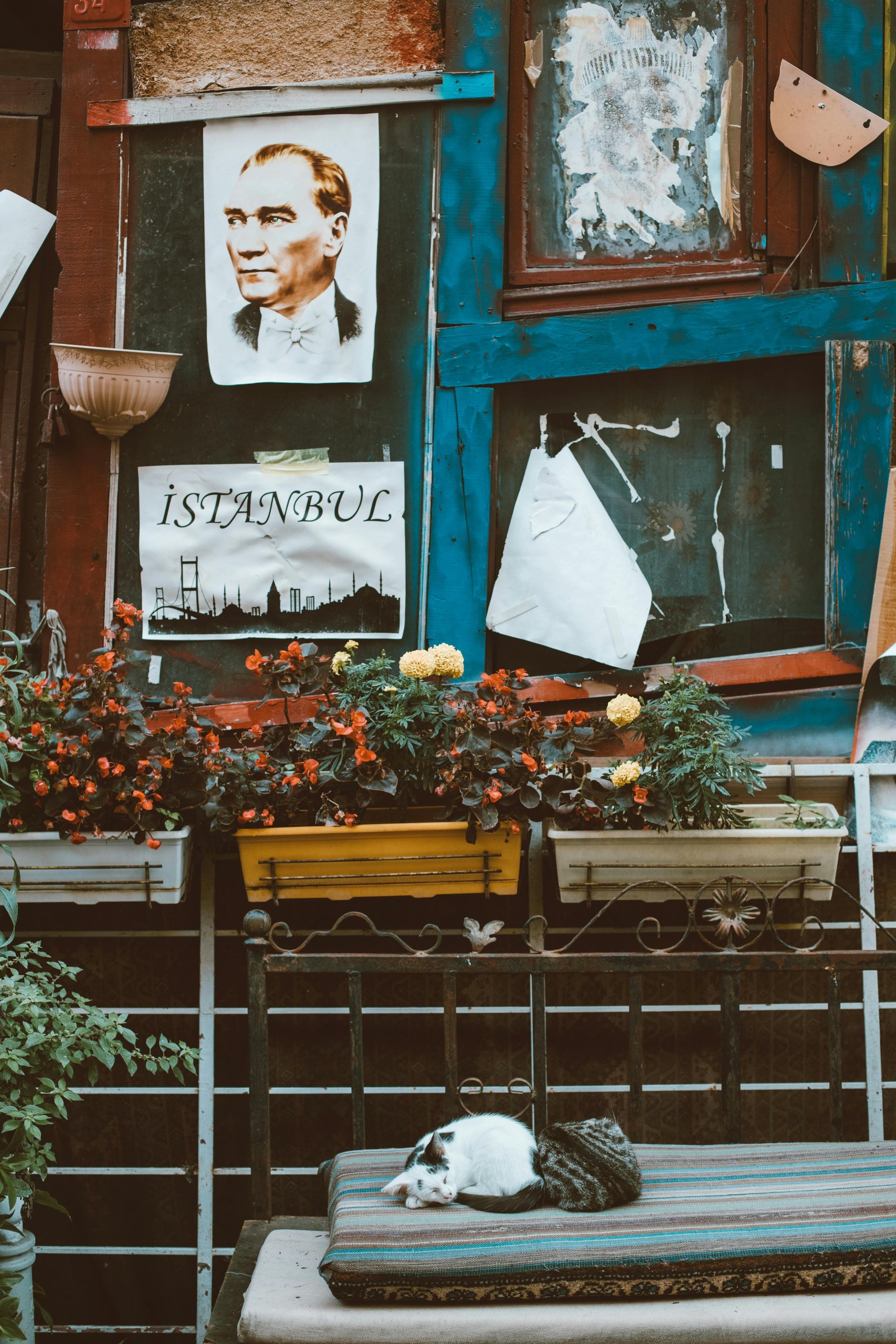
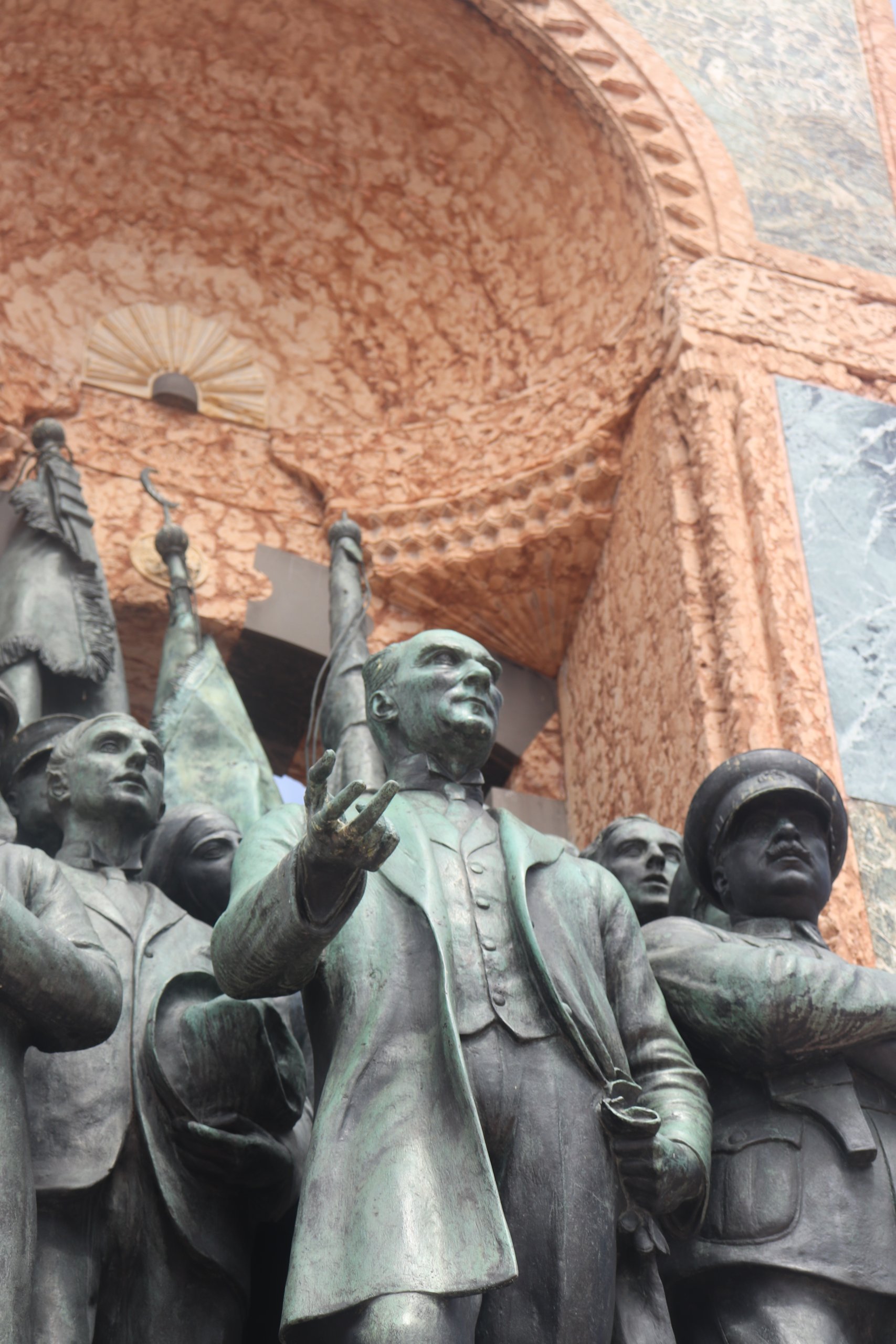
The early 20th century brought dramatic changes to Istanbul. After World War I, the Ottoman Empire collapsed, and the Turkish War of Independence happened under the leadership of Mustafa Kemal Atatürk. In 1923, the Republic of Turkey was established, and although Ankara became the new capital, Istanbul remained the cultural and economic heart of the nation. This shift marks a major milestone in the Istanbul history.
Atatürk’s reforms modernized the country while preserving its layered heritage. New laws, modern infrastructure, and a renewed national identity transformed this city into a vibrant metropolis that still honors history of Istanbul.
B. A Cultural Renaissance and Global Influence
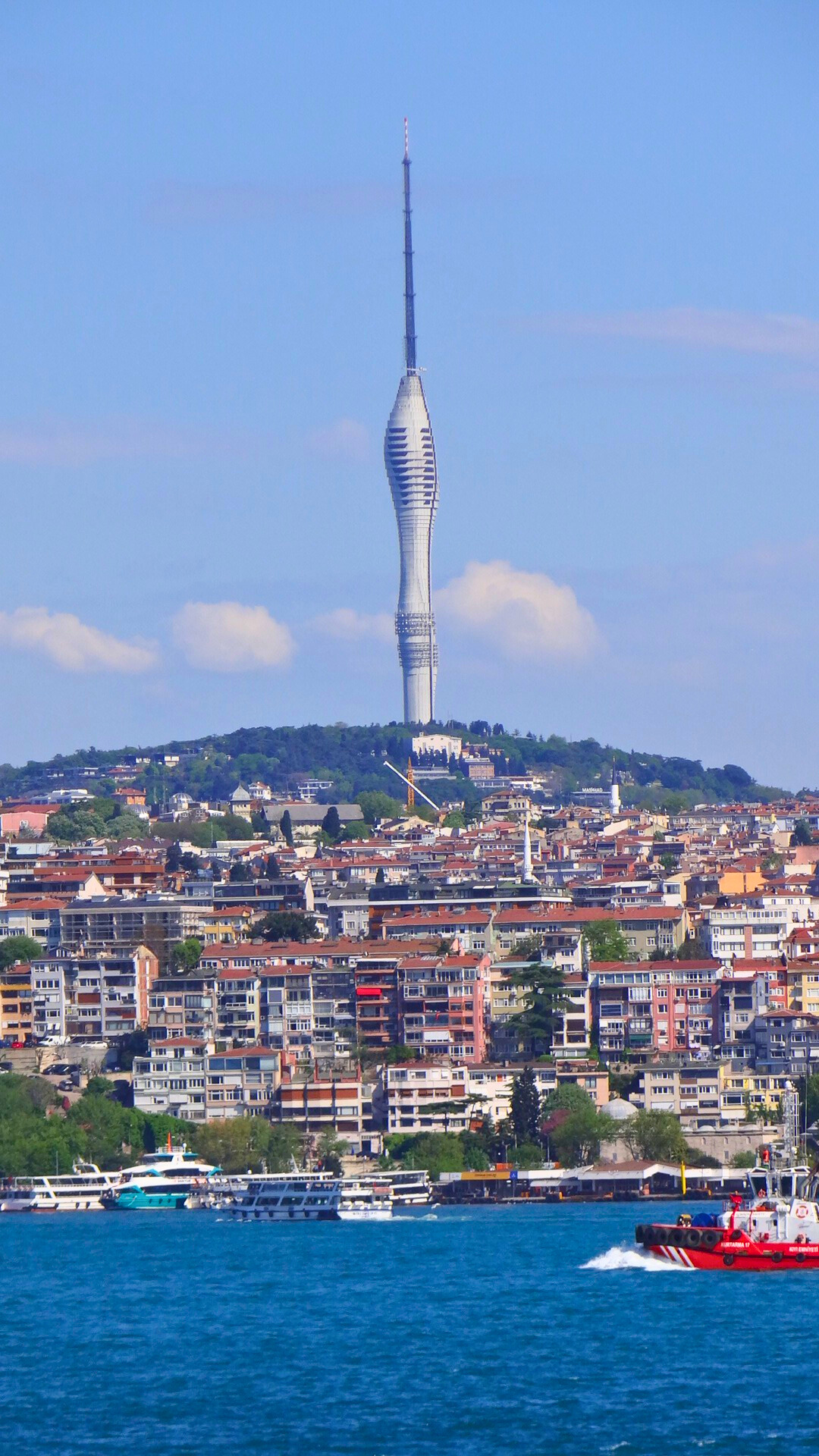
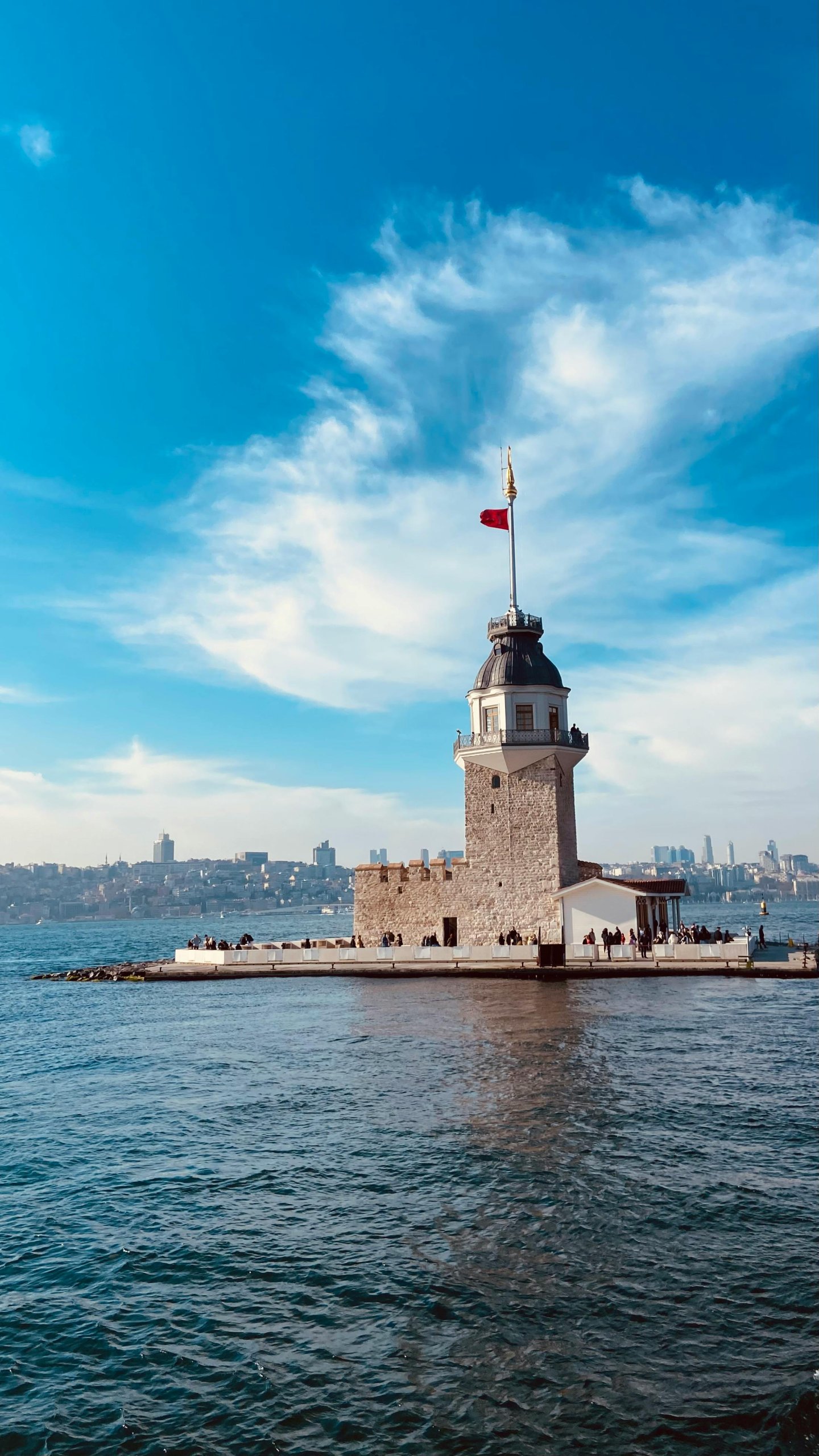
Modern Istanbul is a melting pot of old and new. Ancient mosques and churches stand alongside modern skyscrapers and trendy cultural centers. Museums and art galleries, such as the Istanbul Modern and the Pera Museum, showcase both Ottoman and contemporary art, reminding visitors of the city’s dynamic blend of traditions.
Cultural festivals and public events celebrate Istanbul’s diverse history. The city’s music, theater, and culinary scenes all draw inspiration from its long past. These cultural expressions emphasize how history of Istanbul continues to influence the present.

C. Advances in Science and Technology
Istanbul is not only a center for art and culture, it is also a hub for science and technology. Modern universities, research centers, and innovative start-ups push the boundaries of knowledge and industry. This spirit of innovation connects back to the achievements of earlier epochs. The legacy of Roman engineering, Byzantine scholarship, and Ottoman innovation inspires modern breakthroughs.
Urban renewal projects ensure that historical landmarks like the Hagia Sophia and Topkapi Palace are carefully preserved. At the same time, new infrastructure projects use modern technology to enhance the quality of life in the city.
D. Urban Renewal and Preservation of the Past
Istanbul’s modern growth has not come at the expense of its history. Extensive restoration projects have preserved key monuments, including the ancient city walls, Byzantine churches, and Ottoman palaces. Neighborhoods like Fatih, Sultanahmet, and Beyoğlu retain a distinct historical charm even as they embrace modern life nowadays.
This careful development of the city while preserving both old and new landmarks highlights the importance of history of Istanbul in shaping its future. Efforts to restore and repurpose historical sites ensure that the legacy of the Istanbul history remains a living part of the city, helping both tourism and the preservation of these heritages for future generations.
VI. A Timeline of Istanbul’s Journey
Below is a summary timeline that highlights the key moments in the evolution of the city, each a vital part of the Istanbul history:
- Pre-667 B.C.E.
- Early settlements by Thracian and Anatolian peoples.
- The region served as a hub for ancient trade routes.
- Circa 667 B.C.E. – Founding of Byzantium:
- Greek settlers led by King Byzas establish Byzantium.
- Early maritime trade and cultural exchange begin the long journey of the Istanbul history.
- 196 C.E. – Roman Annexation:
- Byzantium becomes part of the Roman Empire under Emperor Septimius Severus.
- Roman engineering and urban design lay a strong foundation for a great city.
- 330 C.E. – Constantinople Founded:
- Emperor Constantine re-founds Byzantium as Constantinople, making it the Roman Empire’s capital.
- This transformative moment defines the Istanbul history.
- 330 to 1453 C.E. – Byzantine Era:
- Eastern Orthodox Christianity and Byzantine art flourish.
- Construction of the Hagia Sophia, Basilica Cistern, and the Theodosian Walls.
- 1453 C.E. – Ottoman Conquest:
- Sultan Mehmed II captures Constantinople as a result of the city’s fall and renames it Istanbul, marking an end to Byzantine power.
- 1453 to 1922 C.E. – Ottoman Era:
- Expansion of the empire to rule over diverse populations, grand architectural projects, and cultural synthesis.
- 1923 C.E. – Modern Republic of Turkey:
- Republic of Turkey is established under Mustafa Kemal Atatürk.
- Although Ankara becomes the capital, Istanbul continues as the cultural and economic heart.
- Modern Era (Post-1923):
- Urban renewal and modern innovation integrate with historical preservation.
- The city stands as a global metropolis that honors history of Istanbul.
VIII. Legacy of Istanbul History
A. The Impact on Science and Culture
Istanbul’s legacy is not limited to its monuments and historical events. The city has always been a catalyst for scientific inquiry and artistic expression. Roman engineering, Byzantine art, and Ottoman design all contributed to an enduring cultural tapestry. Scholars today study ancient texts, while museums display artifacts from each epoch.
B. Religion and Social Change
Religious transformation in Istanbul mirrors its entire history. The city shifted from paganism to Christianity during the Roman and Byzantine eras—shaping a great part of Eastern Orthodox Christianity—and later embraced Islam under the Ottomans, which impacted the Hanafi school of Sunni Islam in many ways. Each transition brought new art, architecture, and social norms, which developed a strong sense of identity and drew people from various backgrounds to appreciate history of Istanbul.
IX. Conclusion: Embracing a Timeless Legacy
Furthermore, Istanbul’s story is a tale of constant change and reinvention. From its modest beginnings as an ancient Greek colony to its evolution into a grand imperial capital and its present-day role as a global metropolis, every chapter adds to history of Istanbul. In fact, walking the streets of Istanbul feels like strolling through a living museum. Every stone, mosaic, and narrow alleyway tells a story of conquest, innovation, and cultural fusion. For example, the mighty domes of Byzantine churches and the elegant minarets of Ottoman mosques each stand as a testament to the Istanbul history. Ultimately, these monuments serve not only as popular tourist spots but also as symbols of a legacy that continues to inspire and educate.
Whether you are a scholar, a traveler, or simply a lover of history, Istanbul offers endless stories of innovation, conflict, and beauty. In celebrating the Istanbul history, we honor a legacy that has shaped not only a city but also the very fabric of human civilization. As Istanbul moves forward into the future, its enduring legacy continues to inspire and transform, proving that even after millennia, history of Istanbul lives on in every corner of this magnificent city.
FAQs